
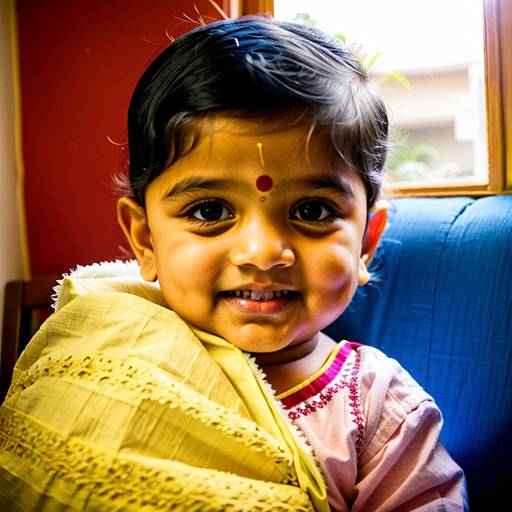
This detailed curriculum for infants aged 6 months to 1 year is designed to support holistic development in social-emotional, physical, language, cognitive, mathematical, scientific, cultural, artistic, and health education domains. It emphasizes the importance of nurturing secure relationships and self-awareness, while encouraging gross and fine motor skills through various hands-on activities. Language development is fostered through storytelling and music, and cognitive skills are enhanced via exploration and problem-solving tasks. Creative expression is promoted through artistic activities, and physical education instills awareness of movement and hygiene practices. Overall, the curriculum focuses on creating a stimulating learning environment that encourages exploration, interaction, and growth in early learners.
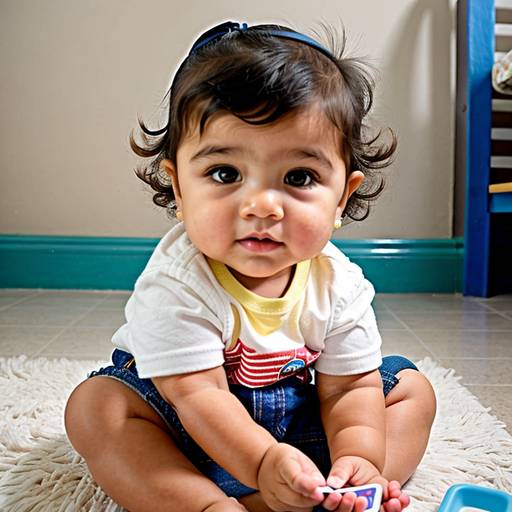
The curriculum for toddlers focuses on fostering comprehensive development across multiple domains. It emphasizes language and literacy through storytelling and vocabulary activities, encourages early mathematics through hands-on counting and shape recognition, and promotes scientific inquiry via sensory exploration and observation. Social studies elements help children understand their identities and the diversity of their communities, while physical development activities enhance both gross and fine motor skills. Artistic expression is supported through visual and performing arts, and social-emotional growth is nurtured through cooperative play and guided discussions. Additionally, the curriculum encourages a positive approach to learning, emphasizing curiosity, creativity, and persistence in young learners.
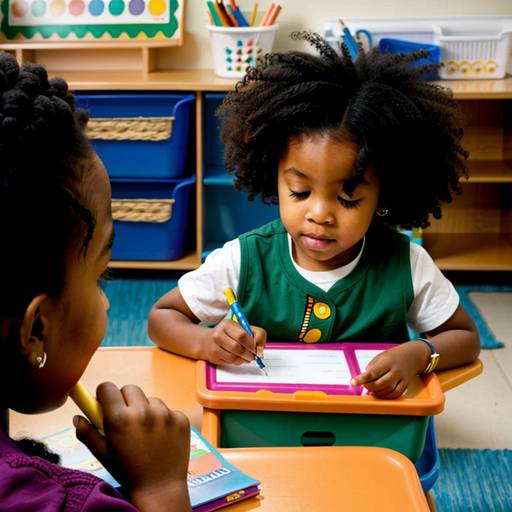
This preschool curriculum emphasizes a comprehensive and engaging approach to early childhood education, focusing on key developmental areas such as language and literacy, mathematics, science, and social studies. It encourages young learners to enhance their listening, speaking, reading, and writing skills through interactive storytelling and conversations. Mathematical concepts are explored through hands-on activities that promote number sense, pattern recognition, and basic operations. Students engage in scientific inquiry to cultivate curiosity and observational skills, while the social studies component fosters an understanding of self and community, highlighting diversity and cultural awareness. The curriculum is designed to be flexible and individualized, ensuring that each child's unique needs and interests are met, ultimately supporting their holistic development.