

The curriculum for infants aged 6 months to 1 year is designed to support holistic development across five essential areas: physical, social-emotional, language and literacy, cognitive, and approaches to learning. It emphasizes the importance of movement and fine motor skill development through interactive activities and sensory objects, while fostering secure attachments and emotional expression. Language acquisition is encouraged through reading, storytelling, and musical activities, promoting auditory skills and early literacy. Cognitive growth is stimulated through hands-on exploration and problem-solving opportunities, while the curriculum also promotes independence, creativity, and resilience in young learners. This comprehensive approach ensures that infants are nurtured in a safe environment that supports their early developmental needs.
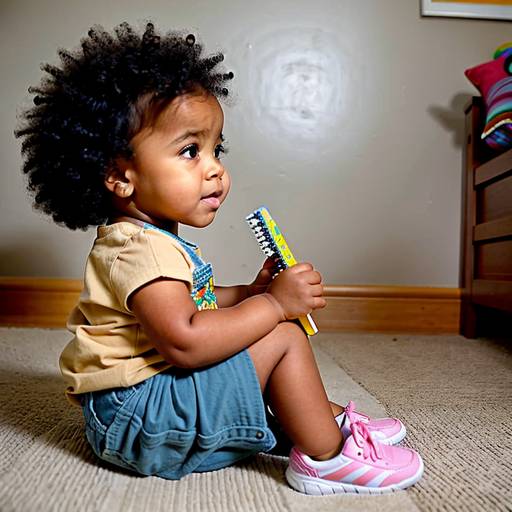
The curriculum for toddlers aged 1 to 3 is structured around key developmental areas, focusing on language arts, mathematics, science, social studies, fine arts, and physical development. It aims to enhance early literacy skills through storytelling and music while introducing children to basic math concepts such as counting and patterns. Scientific exploration fosters curiosity about the natural world, while social studies activities promote understanding of community and diversity. The fine arts component emphasizes creative expression through various mediums, and physical development is supported through active play and fine motor skill activities. Overall, the curriculum is designed to provide a well-rounded foundation that encourages holistic growth and learning through play and exploration.
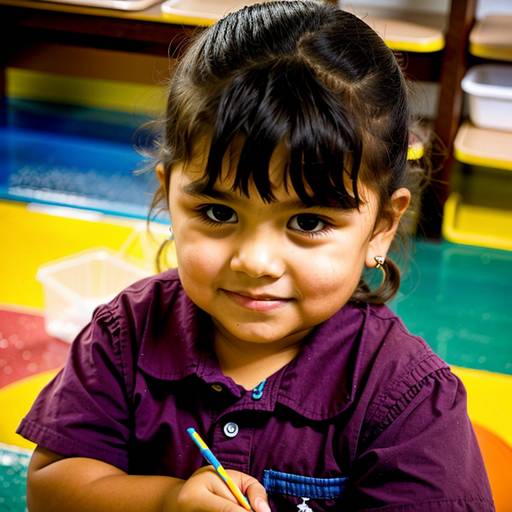
The preschool curriculum is designed to support the holistic development of young learners aged 3-5 by focusing on key educational domains. It encompasses English Language Arts, where children develop foundational literacy skills through phonological awareness, vocabulary enrichment, and creative writing. The mathematics section fosters critical thinking by engaging students in hands-on activities that explore number sense, geometry, and patterns. In the science portion, children cultivate curiosity through inquiry-based exploration of their environment, while the social studies component introduces concepts of self, community, and diversity. Additionally, the curriculum emphasizes individualized learning and an inclusive approach, ensuring that each child's unique needs and interests are met in a play-based learning environment. Comprehensive resources and assessment tools are provided to support educators in delivering effective instruction and tracking student progress.