

The curriculum for infants aged 6 months to 1 year focuses on fostering holistic development through engaging, age-appropriate activities across key subjects. Language and literacy skills are nurtured through interaction with books and songs, while basic mathematics concepts are introduced through counting games and playful manipulation of shapes. Science exploration encourages sensory experiences and cognitive development, with activities that promote problem-solving and understanding of object permanence. Social studies emphasize empathy and social skill-building through shared experiences and diverse cultural representations. Physical development is supported through activities that enhance gross and fine motor skills, such as tummy time, crawling, and grasping toys, ensuring a comprehensive approach to early learning and development.
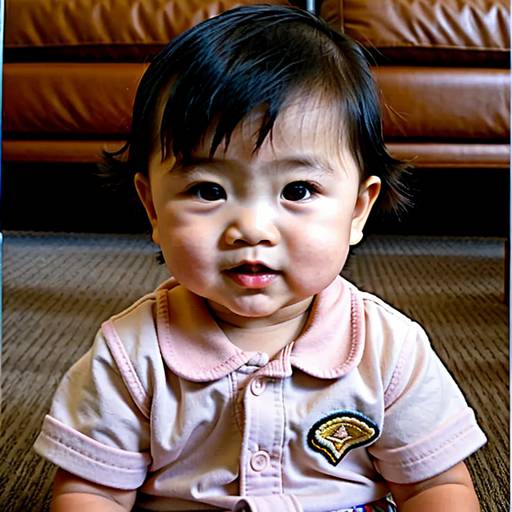
This toddler curriculum for children aged 1 to 3 focuses on holistic development by integrating essential areas such as language and literacy, mathematical exploration, scientific inquiry, social studies awareness, physical development, and creative arts. It emphasizes interactive and engaging activities that foster communication skills, early mathematical concepts, sensory exploration, cultural awareness, and motor development. Through hands-on experiences, children will learn to express themselves creatively while building social skills and understanding the world around them. The curriculum is designed to create a well-rounded educational experience that nurtures curiosity and lays a strong foundation for lifelong learning.
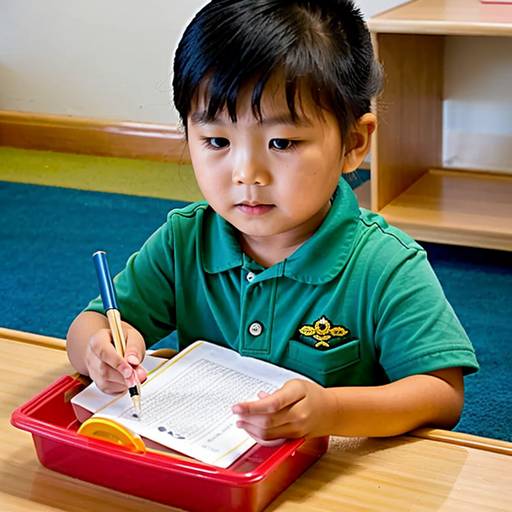
The preschool curriculum is designed to support the holistic development of young learners across key educational domains. It focuses on fostering early literacy and language skills, including phonemic awareness, vocabulary building, and comprehension, while also promoting writing through fine motor skill activities. Additionally, the curriculum emphasizes foundational math concepts such as counting, patterns, and basic geometry to enhance numerical understanding. Science modules encourage exploration of physical and life sciences, as well as Earth and space topics, nurturing curiosity about the natural world. Social studies are integrated to teach children about their roles in the community, historical context, and cultural awareness. Creative arts, including visual arts, music, and drama, are also pivotal components that encourage self-expression and imaginative thinking. Lastly, physical development and health education are prioritized, teaching children gross and fine motor skills, hygiene practices, and safety awareness. Together, these elements provide a comprehensive framework for early childhood education.