
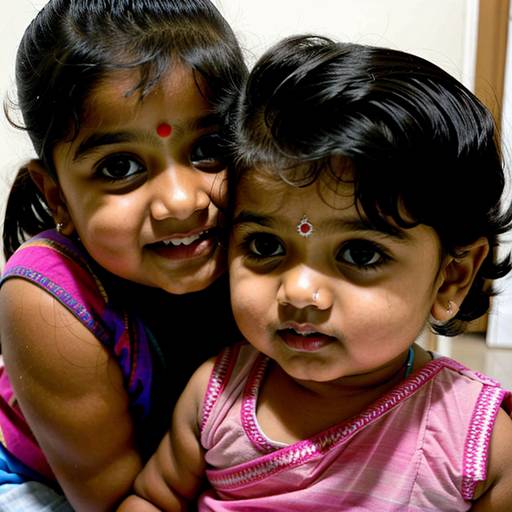
The curriculum focuses on the holistic development of infants aged 6 months to 1 year, addressing key areas such as language, cognitive, physical, social-emotional, creative, and health development. It encourages early language skills through repetitive sounds and storytelling, while cognitive growth is promoted through exploration and problem-solving activities. Physical development is supported with exercises that enhance motor skills, and a nurturing environment fosters social-emotional well-being through secure bonds and positive interactions. Additionally, the curriculum emphasizes creativity through sensory activities and artistic expression, while prioritizing health by establishing routines and encouraging healthy habits. Overall, it provides a comprehensive framework for educators to support the essential developmental milestones of infants.
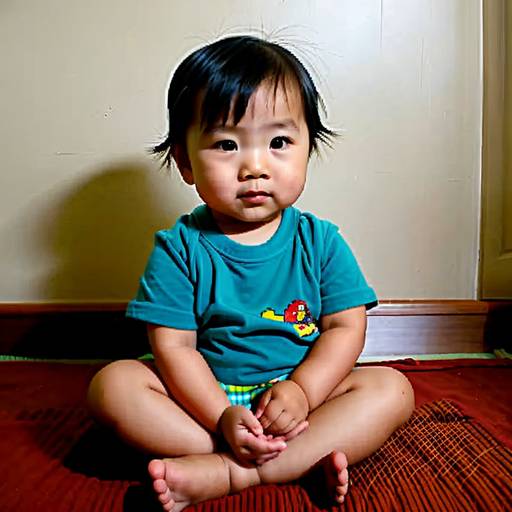
The curriculum designed for toddlers aged 1 to 3 years focuses on fostering comprehensive development across multiple domains. It emphasizes language and literacy through reading and interactive conversations, while mathematics is introduced through playful counting and sorting activities. Science exploration encourages curiosity about the natural world through hands-on experiences. Social studies promote awareness of community and diversity, along with understanding personal identity. Physical development is supported through active play and the introduction of healthy habits. Creative arts are integrated to enhance self-expression, and social-emotional development is prioritized by helping children recognize and manage their emotions and build relationships. Overall, the curriculum aims to create a rich, engaging, and supportive learning environment that nurtures each child's potential.
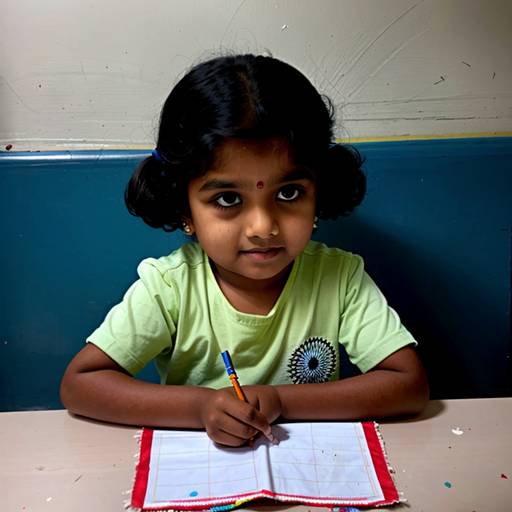
This preschool curriculum provides a comprehensive framework designed to support early childhood development across key areas. It encompasses a variety of subjects, including English language arts, mathematics, science, social studies, and the arts. In English language arts, children will focus on literacy skills, including letter recognition, phonics, vocabulary development, and basic writing. The mathematics component introduces counting, number recognition, and foundational concepts of addition and subtraction, as well as basic geometry. Science activities encourage inquiry and exploration of living and non-living things, seasons, and the properties of materials. Social studies promote an understanding of family roles, community helpers, and cultural diversity, while the arts section allows children to express themselves through creative movement, music, and visual art. The curriculum emphasizes individualized learning to cater to the diverse needs of students, fostering a nurturing and engaging educational environment.