

The Infant Curriculum focuses on fostering holistic development for infants aged 6 months to 1 year, emphasizing key areas such as language, physical, cognitive, social-emotional, creative, health and safety, and early mathematics skills. It includes interactive activities designed to promote language acquisition through reading and conversation, enhance physical coordination via movement and manipulation of objects, and encourage cognitive growth through exploration and problem-solving games. Additionally, the curriculum emphasizes the importance of building strong emotional attachments and trust between caregivers and infants, while incorporating creative expression through sensory experiences. Health and safety practices are integrated into daily routines, and early numeracy concepts are introduced through playful sorting and counting activities, creating a comprehensive framework to support the developmental needs of each infant.
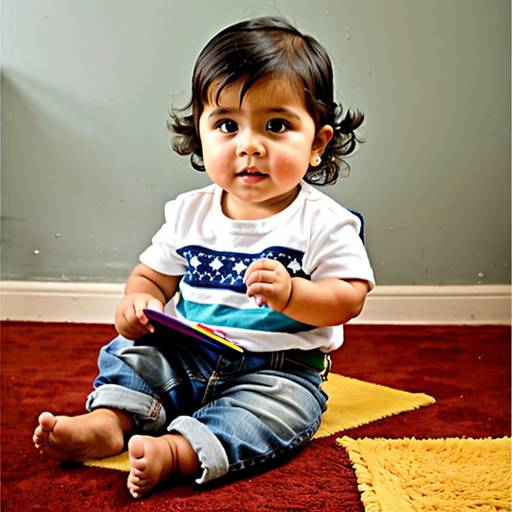
This comprehensive toddler curriculum is designed for children aged 1 to 3 years, focusing on fostering language and literacy development through interactive storytelling and conversation. It emphasizes early math concepts through hands-on activities that encourage sorting and counting, while also providing opportunities for scientific exploration and sensory experiences. Social-emotional growth is supported through guidance on managing emotions and developing empathy. Additionally, the curriculum promotes physical development with activities that enhance gross and fine motor skills. Creative expression is nurtured through various artistic mediums, including music and dramatic play. This adaptable curriculum allows educators to tailor experiences to meet the diverse needs of all toddlers, facilitating a rich and stimulating learning environment.
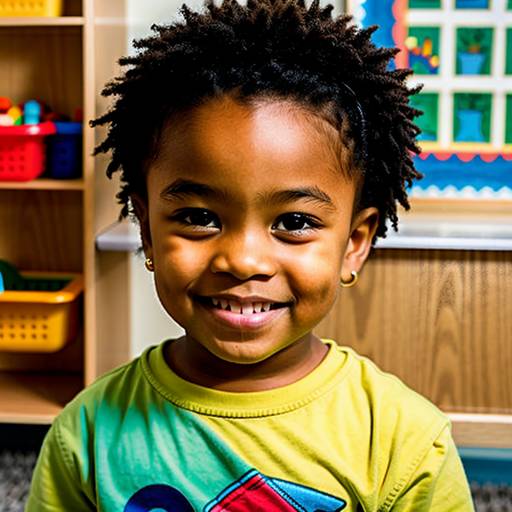
This comprehensive preschool curriculum emphasizes a holistic approach to early childhood education, focusing on key developmental areas including language and literacy, mathematics, scientific exploration, social studies, physical development, creative arts, and social-emotional growth. It incorporates hands-on activities designed to foster children's curiosity and critical thinking skills, encouraging them to explore language through storytelling and writing, engage with foundational math concepts, and understand their environment through scientific inquiry. The curriculum promotes social awareness and empathy, helping children navigate diverse relationships within their community, while also supporting their physical skills through active play and artistic expression. By prioritizing self-regulation and emotional competence, this approach provides a nurturing framework that prepares children for future academic and personal success.