
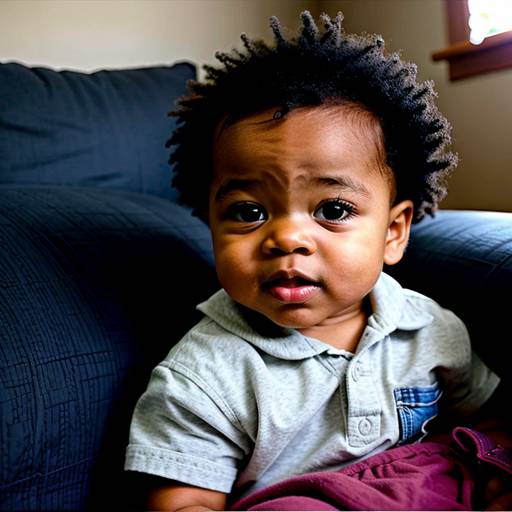
This infant curriculum is designed for children aged 6 months to 1 year, focusing on their holistic development across five essential domains: physical, cognitive, language, social and emotional, and creative expression. It includes activities that promote fine and gross motor skills, encourage exploration and problem-solving, and foster early communication through storytelling and simple sign language. The curriculum emphasizes building trust and emotional intelligence through nurturing interactions and social play. Additionally, it provides opportunities for sensory exploration and artistic expression, enabling infants to engage creatively. The curriculum is structured to offer guidance for educators, ensuring developmentally appropriate practices that support each infant's unique growth journey.
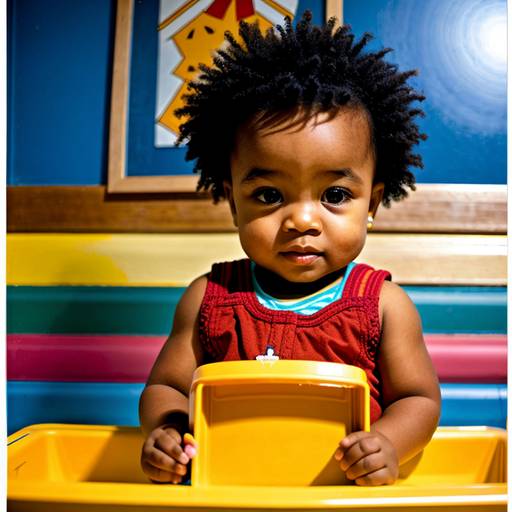
The curriculum for toddlers aged 1 to 3 focuses on holistic development across several key areas, including language, cognitive, physical, social-emotional, creative arts, and science. It emphasizes creating a language-rich environment to boost communication skills through storytelling and interactive play. Cognitive development is supported through activities that encourage inquiry, problem-solving, and exploration of shapes and colors. Physical development is fostered via games that enhance fine and gross motor skills, while social and emotional growth is nurtured through activities promoting self-awareness, empathy, and positive interactions. Additionally, the curriculum encourages creative expression through various artistic mediums and engages toddlers with their natural environment through sensory experiences and exploration of living things, laying a strong foundation for lifelong learning.
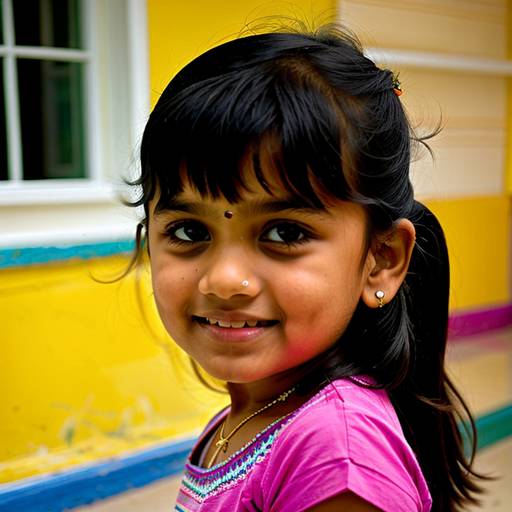
This preschool curriculum is designed to address key developmental areas for young learners. It focuses on language and literacy skills, including recognizing rhyming words, understanding the alphabet, and engaging in storytelling. Mathematical concepts are introduced through counting, number recognition, and basic shape identification, while science activities emphasize hands-on exploration of the natural world, including distinguishing between living and non-living things. Social studies content fosters awareness of identity and community roles, promoting cooperation and social skills. Additionally, physical development is supported through activities that enhance motor skills and encourage healthy habits, while creative arts opportunities allow for self-expression through various artistic mediums, music, and dramatic play. Overall, the curriculum provides a balanced approach to early childhood education, nurturing children's academic, social, emotional, and physical growth.