
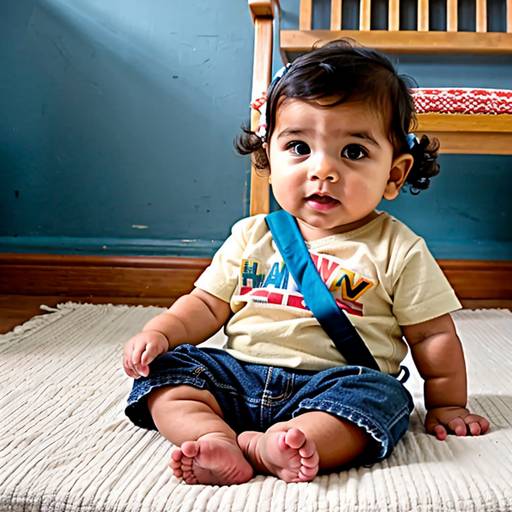
The curriculum for infants aged 6 months to 1 year focuses on fostering growth across multiple developmental domains, including language, cognitive, physical, social, emotional, and creative development. It emphasizes language acquisition through interactive storytelling, songs, and verbal interactions to enhance communication skills. Cognitive development is promoted through playful activities that encourage exploration and understanding of concepts like object permanence. Physical development is supported by providing opportunities for movement and manipulation of toys, while social and emotional growth is nurtured by responding to cues and fostering secure attachments. Creative expression is encouraged through sensory activities and artistic exploration, allowing infants to engage their senses and develop early self-expression. Overall, the curriculum is designed to create a holistic learning environment that supports infants in their critical early stages of development.
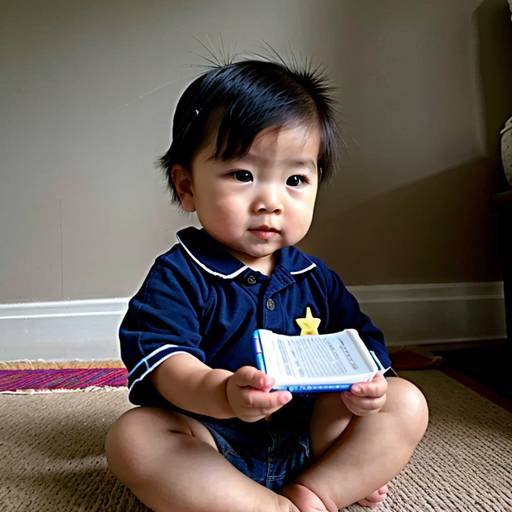
The toddler curriculum is designed to support the holistic development of children aged 1 to 3 years through a series of engaging and age-appropriate activities. It focuses on key areas of growth, including language development, mathematics, science, social studies, physical development, creative arts, and health and wellness. The curriculum emphasizes play-based learning, allowing toddlers to explore and discover through interactive experiences that foster communication, problem-solving skills, and creativity. Educators are equipped with structured activities that promote essential skills in a flexible manner, catering to individual developmental needs and encouraging a love for learning from an early age.
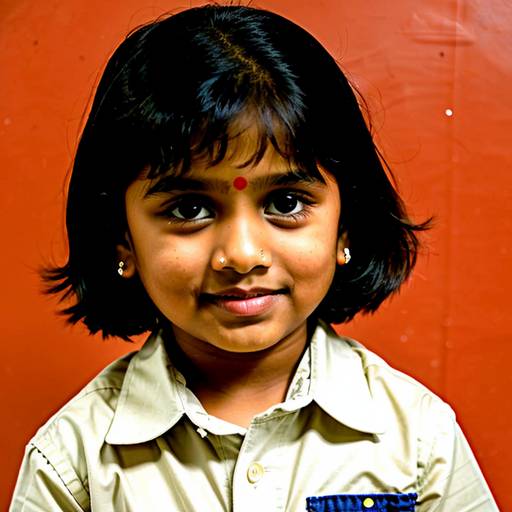
The preschool curriculum is designed to support holistic early childhood development across key areas, including language and literacy, mathematics, science, social studies, and the arts. It focuses on enhancing communication skills through interactive storytelling and writing activities, while fostering critical thinking in mathematics via hands-on exercises. The science component encourages inquiry and exploration of the natural world, promoting curiosity and environmental awareness. Social studies activities aim to build empathy and understanding of community and cultural diversity. Additionally, the arts section nurtures creative expression through various mediums, contributing to children's emotional development and self-confidence. Overall, this comprehensive curriculum provides a well-rounded framework for young learners to thrive academically and socially.