
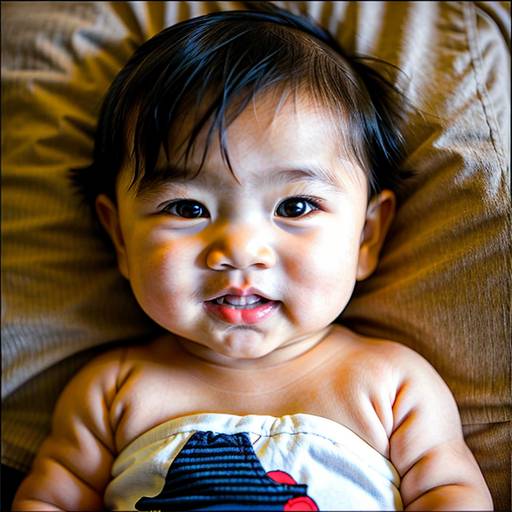
The curriculum for infants aged 6 months to 1 year focuses on fostering holistic development across several key domains: physical, social, emotional, cognitive, language, and creative growth. It includes engaging activities designed to enhance gross and fine motor skills through play, promote secure attachments and emotional regulation through caregiver interactions, and stimulate cognitive abilities via exploration and problem-solving games. Additionally, the curriculum emphasizes language development through songs, storytelling, and conversations, while also encouraging creative expression through various art materials. Overall, it provides a structured yet adaptable framework for nurturing infants' growth in a safe and supportive environment, tailored to their individual interests and developmental stages.
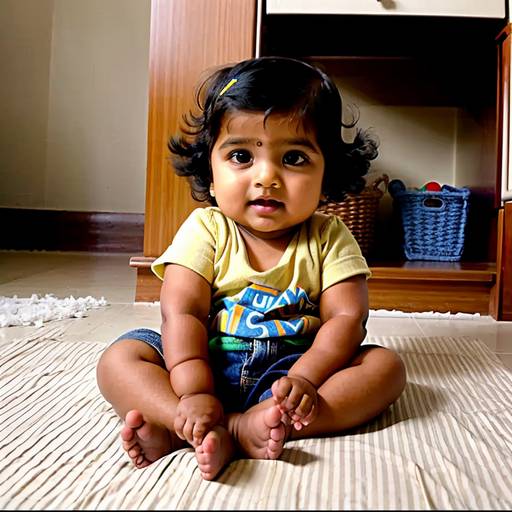
This comprehensive early childhood curriculum is designed for toddlers aged 1 to 3 years, focusing on holistic development across multiple domains, including language, literacy, mathematics, science, social studies, physical development, creative arts, cognitive growth, and social-emotional learning. It includes engaging, hands-on activities tailored to toddlers' natural curiosity, encouraging exploration and discovery in a supportive environment. Key components include fostering language skills through storytelling, introducing basic mathematical concepts through play, promoting scientific inquiry, enhancing fine and gross motor skills, and nurturing emotional awareness and social interactions. The curriculum emphasizes the integration of creative expression and critical thinking, providing a flexible framework that accommodates individual learning styles and developmental milestones.
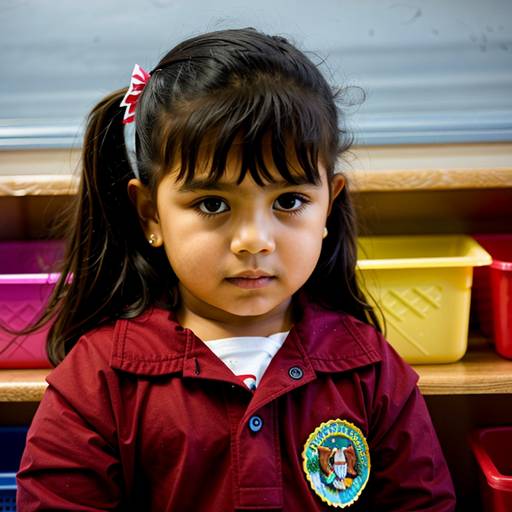
The curriculum is designed for preschool education, addressing key developmental areas such as language arts, mathematics, science, social studies, fine arts, and physical health. It promotes early literacy skills through engaging storytelling and games, introduces foundational math concepts via hands-on activities, and encourages exploration of the natural world through inquiry-based science initiatives. Social studies foster an understanding of community and diversity, while the fine arts component nurtures creativity and self-expression. Additionally, the program emphasizes physical development and health, integrating active play and lessons on nutrition. It also supports social and emotional development by teaching children skills in empathy, conflict resolution, and self-awareness, ensuring a well-rounded approach to early childhood education.