

This comprehensive curriculum for infants aged 6 months to 1 year focuses on fostering holistic development across multiple domains. It addresses social and emotional growth by encouraging secure relationships and emotional expression, while promoting physical development through activities that enhance motor skills. Cognitive development is stimulated through sensory exploration and problem-solving activities, and language and communication skills are nurtured via interactive reading and vocal engagement. Furthermore, the curriculum introduces foundational concepts in literacy, mathematics, and science through age-appropriate activities that inspire curiosity and exploration, laying a strong foundation for future learning. Overall, it is designed to create a nurturing and enriching environment that supports infants' growth and learning in their formative years.
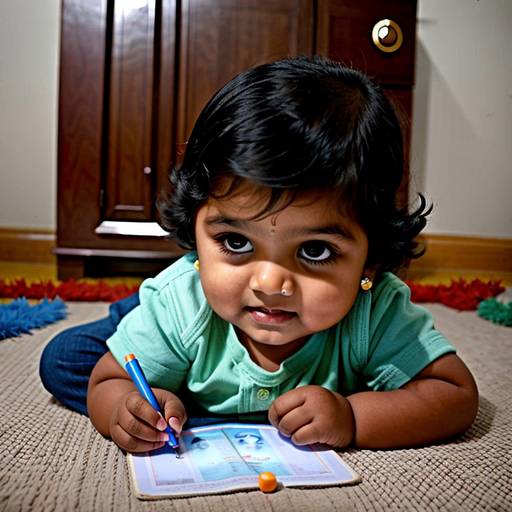
This comprehensive curriculum for toddlers (ages 1-3) focuses on fostering holistic development across key areas including language and literacy, social and emotional growth, physical development, mathematics, science, and creative arts. It emphasizes engaging and interactive learning through hands-on activities that promote communication skills, emotional awareness, cooperation, and problem-solving. The curriculum encourages exploration and curiosity about the world, while also providing opportunities for creative expression through various art forms. It is designed for adaptability in a home school setting, allowing educators to tailor experiences to fit individual children's needs and interests.
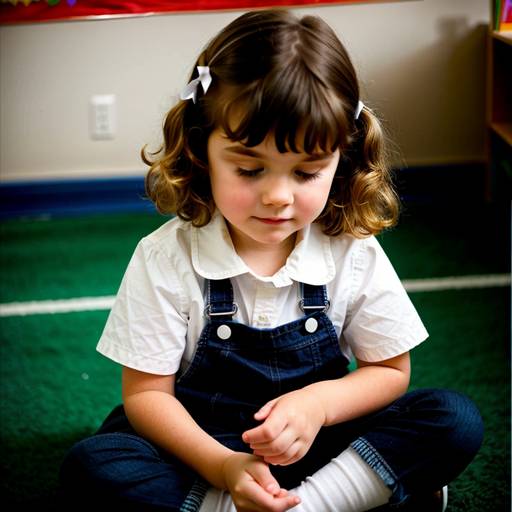
The Preschool Curriculum Outline encompasses a multi-faceted approach to early childhood education, designed to promote holistic development across various key domains. It includes language arts that focus on literacy skills such as letter recognition, sight word identification, and phonemic awareness. The mathematics section introduces foundational concepts like counting, basic operations, and shape recognition through hands-on activities. In science, children explore topics such as animal classification and weather patterns, while the social studies component emphasizes understanding family structures, community roles, and cultural diversity. The fine arts segment encourages creative expression through visual arts, music, and dramatic play, and physical development emphasizes gross and fine motor skills along with personal hygiene and nutrition. Finally, social and emotional development is prioritized by teaching social skills, emotional expression, and conflict resolution to enhance interpersonal connections and resilience.