
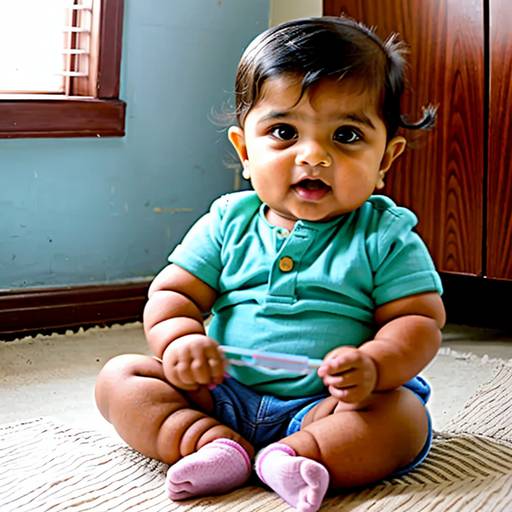
This infant curriculum is designed for children aged 6 months to 1 year, focusing on holistic development across several key areas. It emphasizes language development through interactive reading, songs, and conversations that engage infants and encourage early communication skills. Physical development is supported through activities promoting movement and motor skills, such as tummy time and sensory play. Cognitive growth is fostered with games and toys that introduce concepts like cause and effect, while social and emotional development is nurtured through positive interactions and modeling behavior. Additionally, the curriculum includes activities that promote creative expression through art and music, allowing infants to explore their imagination. Overall, it offers a structured yet flexible approach to support infants' growth in a nurturing and stimulating environment.
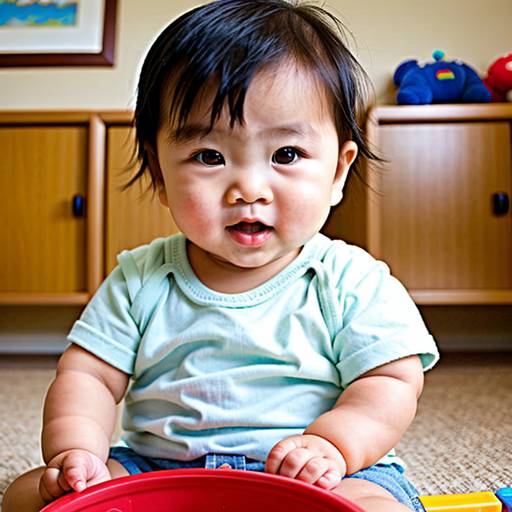
This toddler curriculum is designed for children aged 1 to 3 years and focuses on promoting holistic development across various domains. It includes foundational activities in mathematics, such as counting and sorting, while emphasizing language and literacy through vocabulary building and story engagement. The curriculum encourages scientific exploration with hands-on activities, nurtures social awareness and emotional intelligence through cooperative play, and fosters creativity through art and music. Additionally, it emphasizes physical development through active play and fine motor skill activities, supporting independence and self-help skills, all in a playful and engaging manner.
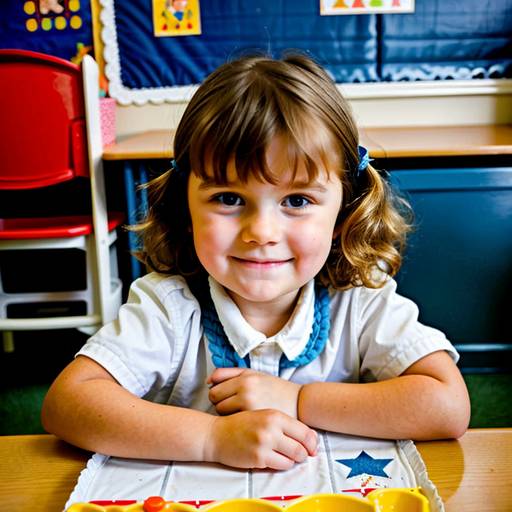
This comprehensive preschool curriculum is designed to promote holistic development in early learners across multiple domains, including English language arts, mathematics, science, social studies, and physical development. In English language arts, children develop phonemic awareness, vocabulary, and reading comprehension skills through engaging activities and storytelling. The math component emphasizes counting, basic operations, and pattern recognition, while science encourages inquiry and investigation about the natural world. In social studies, learners explore geography, history, and the principles of civics and community, fostering respect for diversity. Lastly, physical development covers both gross and fine motor skills, alongside lessons on health and safety, ensuring children cultivate self-care habits. Overall, this curriculum supports individualized learning and a well-rounded educational experience for young children.