

This comprehensive curriculum for infants aged 6 months to 1 year focuses on fostering holistic development across multiple domains, including social-emotional, physical, language, cognitive growth, and approaches to learning. It emphasizes building trust and attachment through caregiver interactions, encouraging emotional recognition and independence. Activities are designed to enhance physical coordination and sensory exploration while promoting early communication skills through sound imitation and interactive play. Cognitive development is supported through hands-on experiences that stimulate problem-solving and memory recall. Additionally, the curriculum cultivates curiosity, creativity, and self-regulation, providing a robust framework for parents and educators to nurture their infant's developmental milestones in a personalized and engaging manner.
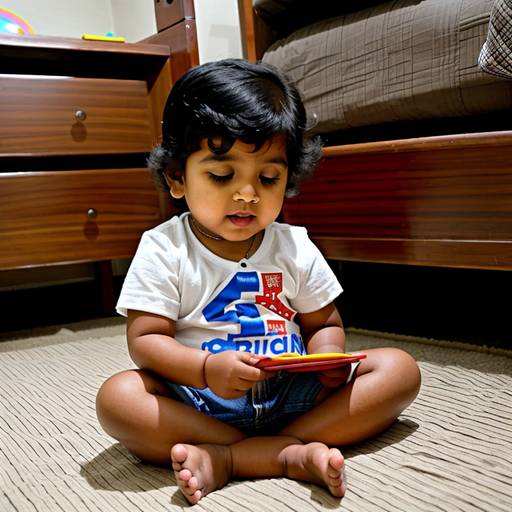
This comprehensive early childhood curriculum is designed for children aged 1 to 3 years, focusing on essential areas of development including language and literacy, mathematical exploration, scientific inquiry, social and emotional growth, physical development, and creative expression. It emphasizes play-based learning, encouraging toddlers to engage with stories, recognize shapes and patterns, explore their environment through observation and experimentation, and develop social skills such as sharing and empathy. The curriculum provides opportunities for fine and gross motor skill development through active play and promotes healthy habits while fostering creativity through music, movement, and artistic activities. Overall, it offers a holistic approach to ensure a well-rounded educational foundation at home.
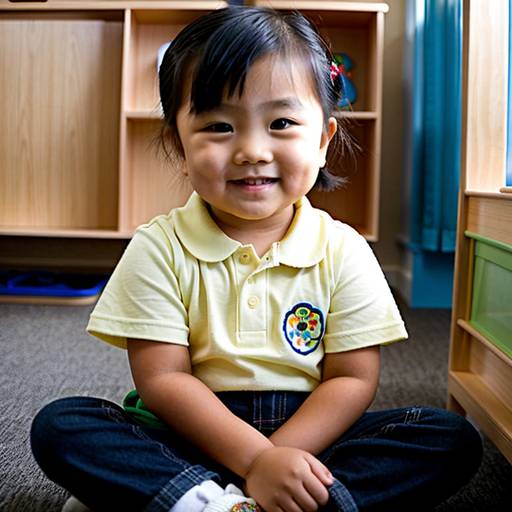
The preschool curriculum is designed to provide a comprehensive educational experience that fosters the development of foundational skills across multiple domains. It emphasizes early literacy by teaching letter recognition, phonetics, and storytelling, along with essential mathematical concepts such as counting, number recognition, and basic operations. Scientific exploration is encouraged through hands-on activities that promote curiosity about the natural world, while social studies introduce children to concepts of family, community, and diversity. Creative arts and physical activities enhance fine motor skills and promote creativity, while a focus on social-emotional development equips children with essential interpersonal skills. Additionally, basic technology concepts are introduced to prepare young learners for a digital world, creating a well-rounded educational foundation that supports holistic growth.