
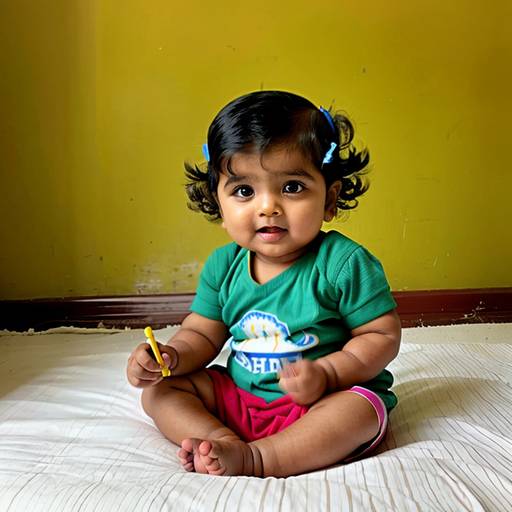
The curriculum for infants aged 6 months to 1 year focuses on holistic development across several key areas: social-emotional, physical, language, cognitive, and early literacy and mathematics skills. It emphasizes nurturing strong caregiver relationships to promote emotional security, while also encouraging physical development through activities like tummy time and crawling. Language skills are fostered through conversation, reading, and singing, creating a print-rich environment that supports early literacy. Cognitive growth is stimulated via exploratory play with cause-and-effect toys and sensory experiences, while simple counting games and stacking activities introduce basic math concepts. Overall, the curriculum is designed to create a supportive and engaging learning environment, allowing infants to explore, learn, and develop essential skills at their own pace.
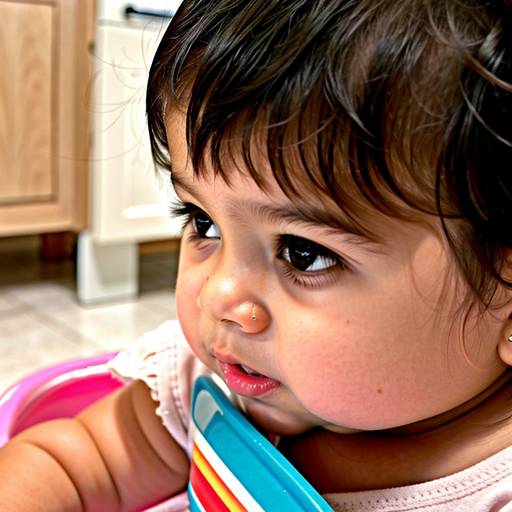
The curriculum focuses on the holistic development of toddlers aged 1 to 3 by emphasizing key areas such as language, math, social and emotional skills, physical development, cognitive growth, and creative arts. It incorporates interactive storytelling and engaging activities to promote language and early literacy, while playful counting and sorting help establish foundational math concepts. Social skills are fostered through cooperative play and emotional expression, encouraging toddlers to navigate their feelings and build relationships. Physical development is supported through movement and fine motor activities, while cognitive skills are enhanced via problem-solving exercises and imaginative play. Additionally, the creative arts segment allows children to explore various artistic materials, facilitating self-expression and sparking curiosity. This comprehensive approach provides a nurturing environment for toddlers to explore, learn, and grow.
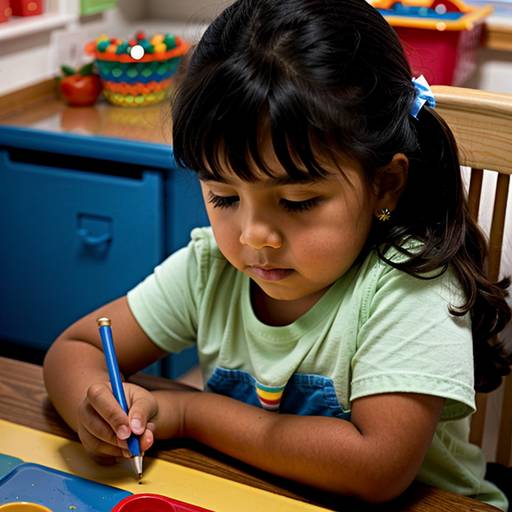
The preschool curriculum is designed to support the holistic development of young learners through a variety of engaging, play-based activities. It covers essential areas of learning, including language and literacy, where children explore letters, sounds, and storytelling; mathematics, which focuses on number recognition, patterns, and basic operations; and science, encouraging inquiry through observations of the natural world. Additionally, the curriculum introduces social studies concepts related to family and community, fosters creative expression through the arts, and emphasizes physical health and development with activities promoting both fine and gross motor skills. Overall, the curriculum aims to cultivate a well-rounded educational experience that nurtures curiosity, critical thinking, and social skills in preschool-aged children.