

The Infant Curriculum provides a comprehensive framework for supporting the development of infants aged 6 months to 1 year, focusing on key areas such as physical, social, emotional, language, cognitive, and health development. It emphasizes the importance of gross and fine motor skills through engaging activities, promotes secure attachment and emotional resilience, and encourages early communication through interactive verbal engagement. Additionally, it fosters cognitive growth by introducing sensory experiences and problem-solving activities, while also prioritizing health and well-being through best practices in nutrition, sleep, and hygiene. The curriculum offers a holistic approach to nurturing infants, ensuring they receive the necessary support to thrive in their foundational developmental stages.
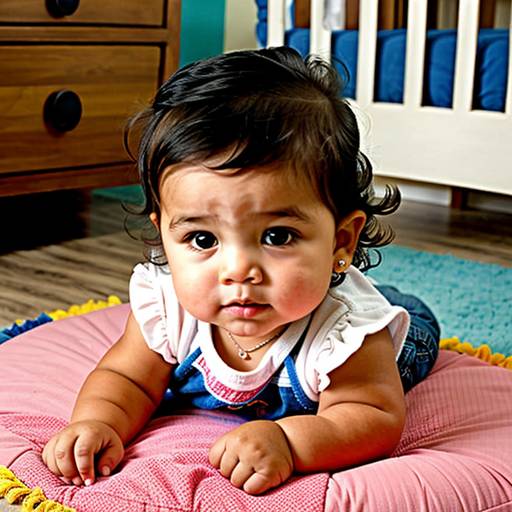
The curriculum for toddlers aged 1 to 3 years focuses on holistic development across several key areas, including language, mathematics, science, physical skills, social-emotional growth, and creative arts. It emphasizes language development through engaging activities such as storytelling and songs to enhance vocabulary and communication skills. Early math concepts are introduced through playful counting and sorting, while scientific inquiry is encouraged through exploration and hands-on experiments. Physical development is supported through gross and fine motor activities that promote coordination and balance. Additionally, the program fosters social and emotional skills by helping children understand and express their feelings and build relationships. Creative expression is nurtured through various artistic activities, allowing toddlers to explore their creativity and enhance cognitive development. Overall, the curriculum aims to create a well-rounded and engaging learning environment that caters to the diverse growth needs of toddlers.
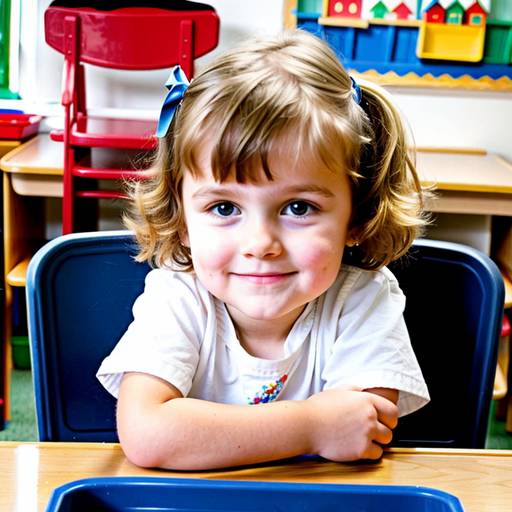
The preschool curriculum focuses on fostering early literacy, mathematics, science, social studies, motor skills, and social-emotional development in young learners. It emphasizes foundational literacy skills like letter recognition, phonological awareness, and emergent writing, while introducing basic mathematical concepts such as counting, addition, and shape recognition through hands-on activities. Science exploration encourages curiosity about the natural world, covering topics like living and nonliving things, plants, and weather. The social studies component teaches children about identity, community, and cultural diversity, promoting respect and understanding. Additionally, fine and gross motor skills are developed through various creative and physical activities, while social-emotional components help children recognize and express their feelings, build relationships, and foster self-confidence. Overall, the curriculum provides a comprehensive approach to early childhood education, promoting holistic growth in all developmental areas.