
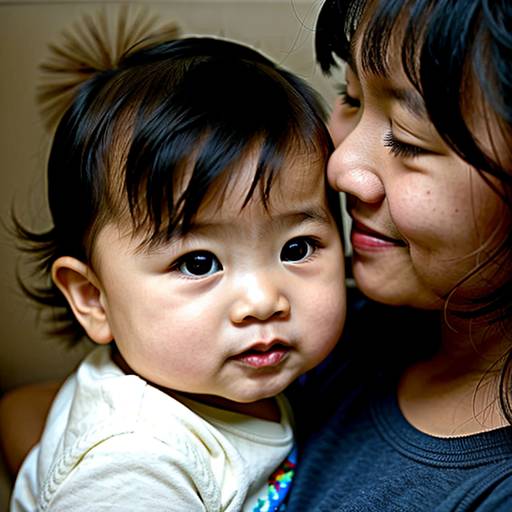
This curriculum is designed for infants aged 6 months to 1 year, focusing on key developmental areas including physical, social-emotional, cognitive, language and literacy, mathematical, and scientific growth. It includes activities that promote physical skills through play, encourage emotional bonding and secure attachments, foster cognitive development via sensory exploration, and enhance language through interactive reading and vocal engagement. The curriculum also introduces foundational math concepts through everyday counting and shape recognition activities, alongside early scientific exploration through nature experiences and simple experiments. Overall, it aims to support holistic development in infants while aligning with early learning standards.
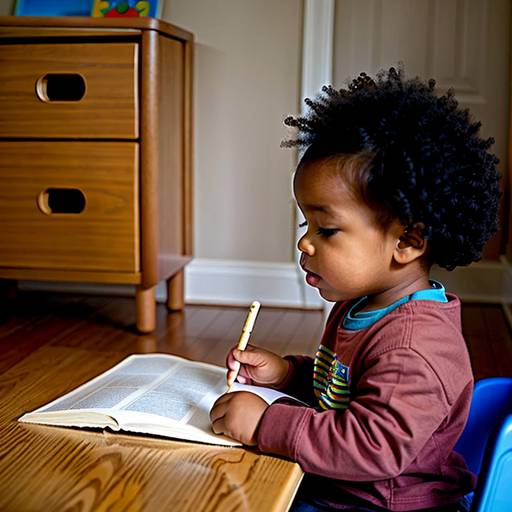
This comprehensive toddler curriculum focuses on fostering holistic development for children aged 1 to 3 years through play-based learning and interactive activities. It emphasizes physical development with exercises for gross and fine motor skills, while also nurturing social and emotional growth by promoting sharing, turn-taking, and emotional expression. Language development is supported through engaging conversations and listening activities, alongside cognitive growth via exploration of basic concepts like colors, shapes, and numbers. Creative expression is encouraged through art, imaginative play, and music, fostering a love for learning and curiosity. Additionally, the curriculum highlights health and well-being with lessons on self-care and nutrition, while also promoting family involvement and community engagement. Overall, it aims to provide a supportive and enriching educational environment tailored to the unique needs of each toddler.

The preschool curriculum encompasses a comprehensive approach to early childhood education, focusing on essential areas of development, including language and literacy, mathematical thinking, scientific exploration, social studies, creative arts, and physical and social-emotional well-being. Children will engage in activities that promote letter recognition, counting, and understanding of basic scientific concepts while encouraging creativity through various artistic expressions. Additionally, the curriculum emphasizes effective communication skills, social interactions, and self-help abilities, fostering emotional intelligence and physical health. Overall, it aims to create a balanced learning environment that nurtures young learners holistically, preparing them for future academic success and personal growth.