
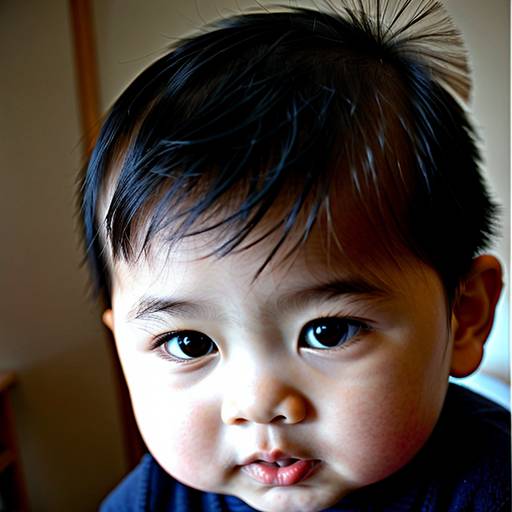
The curriculum for infants aged 6 months to 1 year focuses on holistic development across various domains, including language and literacy, math and logic, physical growth, social-emotional development, and science exploration. It emphasizes daily reading and singing to promote early language skills, introduces engaging sorting and counting activities for foundational math concepts, and encourages physical activities like tummy time and crawling to enhance motor skills. Additionally, it supports social-emotional growth through responsive caregiving and consistent routines, while offering hands-on exploration experiences through sensory play and outdoor activities to foster curiosity and scientific thinking. Overall, the curriculum aims to create a nurturing and stimulating environment that addresses the developmental needs of infants and sets the stage for future learning.
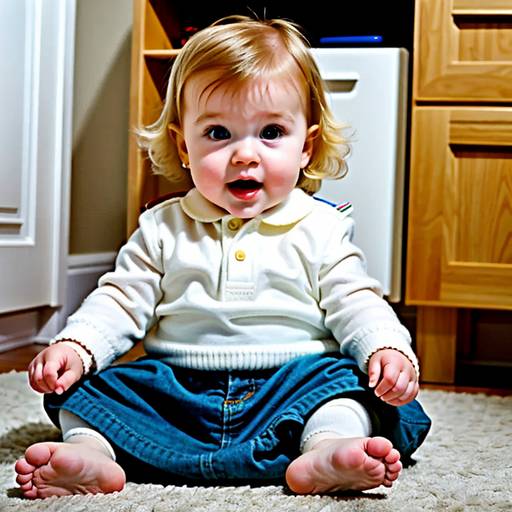
This toddler curriculum is designed to support the holistic development of children aged 1 to 3 through a variety of engaging activities. It focuses on key developmental areas, including language and literacy skills, early mathematics, scientific exploration, community awareness, physical coordination, creative expression, health and wellness, as well as social and emotional growth. Activities encourage toddlers to enhance their communication abilities, connect with their environment, and develop essential self-care and social skills. By integrating diverse subjects and activities, the curriculum aims to provide a rich learning experience that fosters curiosity, creativity, and confidence in young learners.
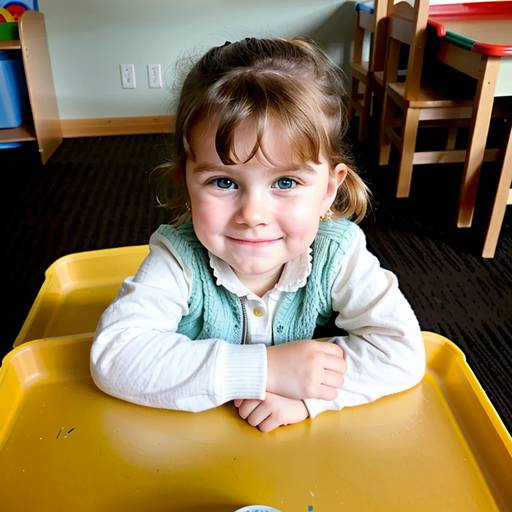
The curriculum for preschool education is designed to foster holistic development in young learners by integrating key areas such as language arts, math, science, social studies, fine arts, physical development, and social-emotional growth. In language arts, the focus is on building foundational skills through letter recognition, phonemic awareness, and comprehension activities. The math component introduces concepts like counting, basic operations, and geometry through engaging, hands-on activities. Science explorations encompass physical, earth, and life sciences, encouraging curiosity and discovery about the natural world. Social studies emphasize self-awareness, relationships, and community understanding. Fine arts promote creativity through music, visual arts, and movement, while physical development fosters gross and fine motor skills alongside health education. Lastly, social and emotional development activities aim to enhance self-regulation, social relationships, and executive functioning skills, ensuring a well-rounded education for preschoolers.