
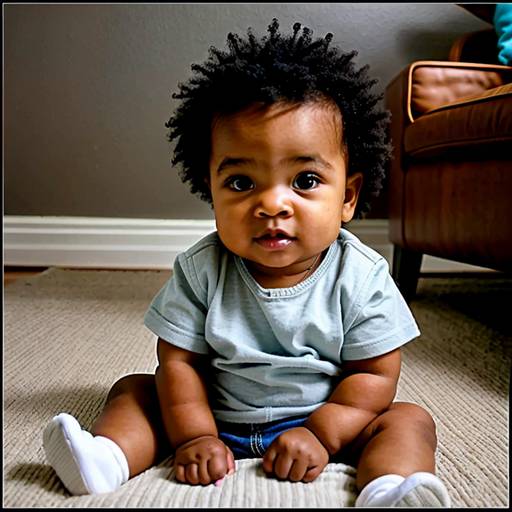
The curriculum is designed for infants aged 6 months to 1 year, focusing on holistic development across several key areas: physical, social, emotional, cognitive, language, mathematics, science, and creative arts. It emphasizes age-appropriate activities that promote motor skill development, secure attachment, and emotional awareness, while encouraging curiosity and exploration through sensory-rich experiences. Interactive reading, singing, and play are integrated to enhance early language and literacy skills, alongside activities that introduce foundational mathematical concepts and observational science. Creative expression through music and art is also fostered, ensuring that infants engage with their environment in a playful, nurturing manner that supports their overall growth and development.
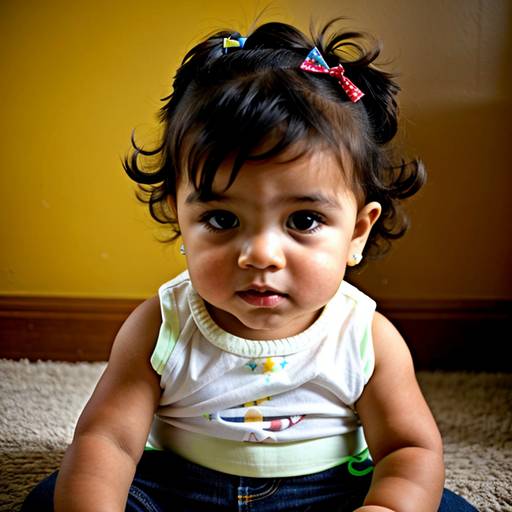
This comprehensive curriculum outline for toddlers ages 1 to 3 years focuses on fostering early development across various domains, including language arts, mathematics, science, social studies, physical development, and creative arts. It emphasizes language acquisition through storytelling and interactive play, introduces foundational math concepts such as counting and sorting, and encourages exploration of the natural world through sensory activities. Social skills are nurtured through collaborative play and understanding of community, while physical development is supported through gross and fine motor activities. Creative expression is stimulated through varied arts and crafts, music, and imaginative play, providing a well-rounded educational experience tailored to the developmental needs of young children.
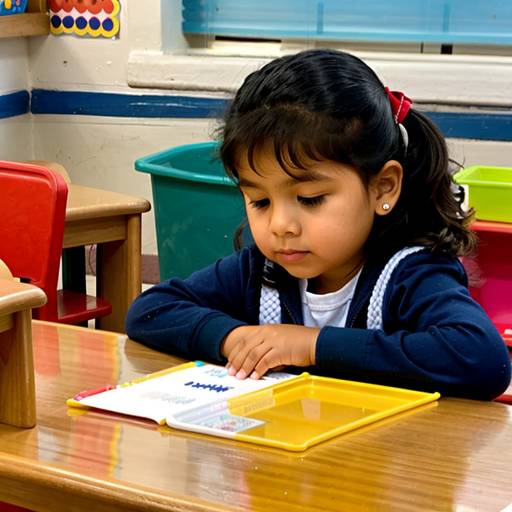
The preschool curriculum focuses on comprehensive development across several key areas, including language arts, mathematics, science, social studies, and creative arts. In language arts, children engage in storytelling, phonemic awareness, and early writing skills, fostering a love for literacy. The mathematics component introduces counting, shapes, and basic problem-solving through hands-on activities, promoting numerical understanding. Science exploration encourages curiosity about the natural world, teaching children to observe and inquire about their surroundings. Social studies help young learners understand family structures, community roles, and the importance of respect and cooperation. Lastly, creative arts activities provide opportunities for self-expression through various mediums, enhancing motor skills and emotional development. This integrated approach aims to support holistic learning and build a strong foundation for future educational success.