
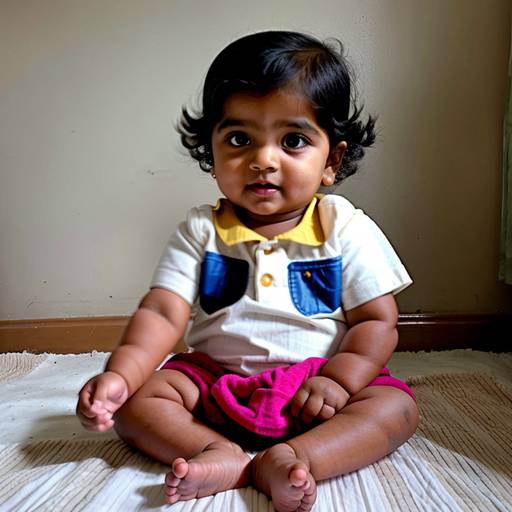
This curriculum for infants aged 6 months to 1 year focuses on supporting various areas of development, including language and literacy, early mathematics, scientific inquiry, social-emotional skills, and physical growth. It offers structured activities that promote language acquisition through interactive storytelling and conversations, foundational math concepts through sorting and counting, and sensory experiences that foster curiosity about the environment. Additionally, it emphasizes the importance of social skills and emotional regulation through guided interactions and play, while also encouraging healthy physical development through motor skill activities and the promotion of good health habits. Overall, it provides a holistic framework for caregivers to engage infants in meaningful learning experiences tailored to their developmental needs.
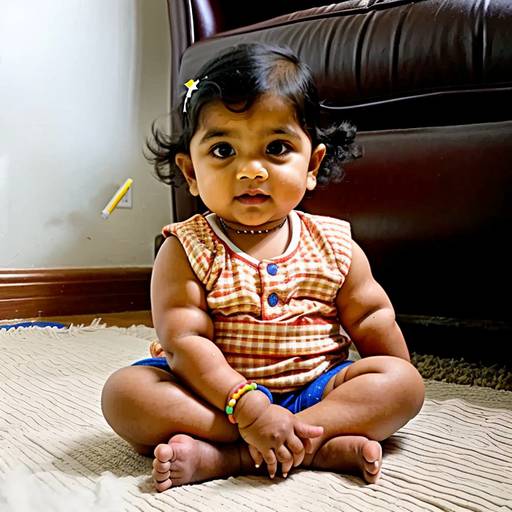
The toddler curriculum is designed for children aged 1 to 3 years, focusing on key developmental areas to support their holistic growth. It emphasizes language development through engaging activities like storytelling and songs, while promoting cognitive skills with hands-on experiences and problem-solving tasks. Physical development is supported through a blend of gross and fine motor activities, encouraging movement and creativity. Social and emotional development is fostered through interactions with peers, teaching concepts like sharing and empathy, as well as emotional expression. Lastly, the curriculum promotes a love for learning by encouraging curiosity, exploration, and independent choice-making, creating a supportive environment for toddlers to thrive in their early stages of education.
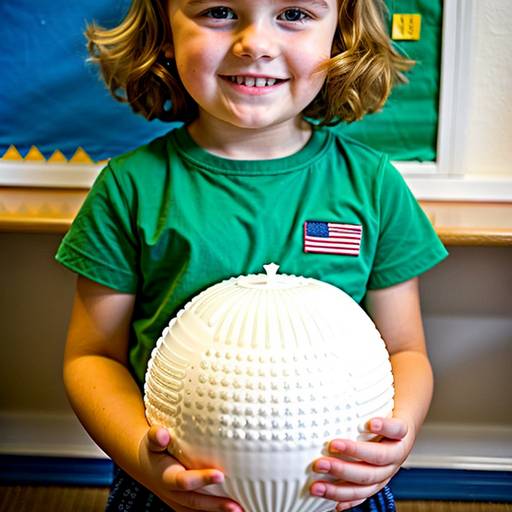
This preschool curriculum encompasses key developmental areas essential for early childhood education, including language arts, mathematics, science, social studies, physical development, health, and creative arts. It aims to foster language skills through storytelling and phonemic awareness, while numerical foundations are built through counting and recognizing numbers. Scientific exploration encourages curiosity about weather, living organisms, and material properties. Social studies components promote understanding of family, community roles, and cultural diversity, alongside instilling basic social skills. Physical development is supported through activities that enhance motor skills and establish healthy habits. Finally, the creative arts section nurtures self-expression through various artistic mediums, music exploration, and dramatic play, creating a comprehensive and engaging learning experience for young children.