

This curriculum is designed for infants aged 6 to 12 months, focusing on holistic development across several key areas: social-emotional, physical, language and literacy, mathematics, science, social studies, and arts. It promotes social and emotional growth through nurturing interactions, while also encouraging physical development through activities that enhance gross and fine motor skills. Language and literacy are fostered through reading and communication, laying the foundation for effective communication. The curriculum introduces basic math concepts through engaging play, while simple science activities stimulate curiosity and understanding of the environment. Additionally, it emphasizes cultural awareness in social studies and encourages creativity through artistic expression, ensuring a well-rounded developmental experience that adapts to each infant's individual interests and needs.

This curriculum for toddlers aged 1 to 3 focuses on fostering holistic development through play and exploration. It integrates essential learning areas such as language and literacy, mathematics, science, social studies, physical education, and creative arts. Emphasizing hands-on activities, the curriculum promotes early language acquisition through storytelling, basic mathematical concepts through real-life examples, and exploration of the natural world to ignite curiosity about scientific principles. It also encourages social skills and empathy through cooperative play while incorporating physical activities to enhance motor development and introduce healthy habits. Creative expression is nurtured through art and music, ensuring a well-rounded and engaging learning experience for young children.
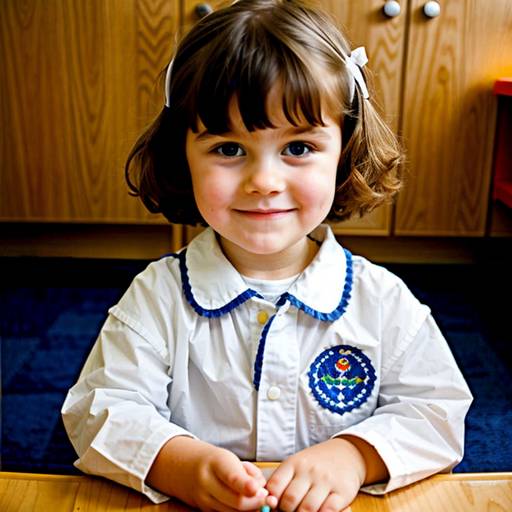
This comprehensive preschool curriculum is designed to support children's development across multiple domains, including language, mathematics, science, social studies, creative arts, and physical development. It emphasizes building strong verbal communication skills through storytelling and interactive activities while introducing foundational math concepts such as number sense, shapes, and measurements. Science explorations foster curiosity about the natural world, covering topics like life sciences, earth sciences, and physical properties. Social studies lessons help children understand their identity within their families and communities, promoting respect and awareness. Creative arts activities encourage self-expression through visual art, music, and movement, while physical development focuses on enhancing motor skills through engaging movements and games. Overall, the curriculum provides a holistic approach to learning, fostering critical thinking, creativity, and emotional growth in young learners.