
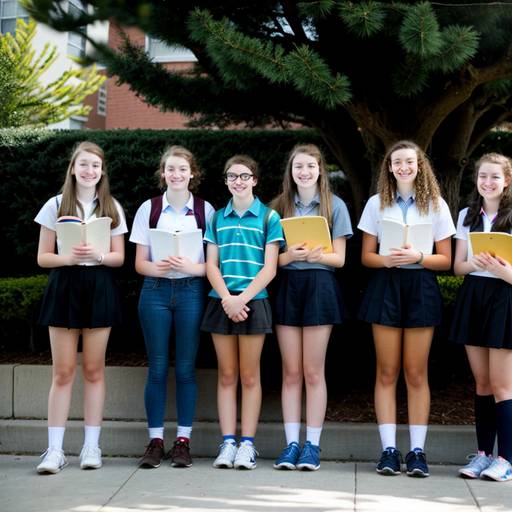
| Level | High School |
| Grade | 11th Grade |
| State | Rhode Island |
| Age Range | 16 to 17 |
| Language | English |
Areas Of Development
Empower Your Students with a Robust English Curriculum!
Equip your 11th-grade classroom with a dynamic and comprehensive English curriculum designed to elevate students’ reading, writing, speaking, and critical thinking skills. Aligned with Rhode Island academic standards, our curriculum offers an engaging exploration of literature, language, and media, helping students become proficient, confident communicators and analytical thinkers.
Literature Analysis:Dive deep into an array of literary texts, including classic and contemporary novels, plays, poetry, and nonfiction. Students will:
- Analyze complex themes, symbols, and character development.
- Discuss historical and cultural contexts, enriching their understanding of each work.
- Write perceptive literary analysis essays that foster critical thinking and appreciation for diverse voices.
This curriculum emphasizes the crafting of well-structured, persuasive texts. Students will:
- Develop a range of writing styles, from narrative to expository and persuasive.
- Employ evidence-based reasoning to support their arguments.
- Hone revision and editing skills, producing polished pieces that meet academic standards.
Foster proficiency in language usage and conventions. The curriculum includes:
- Vocabulary expansion exercises that enhance students' communication skills.
- In-depth studies of grammar and sentence structure.
- Opportunities for creative writing, sparking imagination and innovation.
Prepare students for success in both formal and informal communication. Students will:
- Participate in Socratic seminars, fostering critical discussion and collaborative learning.
- Deliver impactful presentations and speeches to enhance public speaking skills.
- Engage in debates, honing their arguments and active listening techniques.
In a digital age, students must critically engage with media. This section includes:
- Analysis of varied media texts, understanding their purpose and message.
- Evaluation of source credibility, fostering responsible and informed media consumption.
- Creation of multimedia presentations, integrating technology and creative storytelling.
Prepare students for academic and real-world research endeavors. They will:
- Formulate relevant research questions and explore diverse topics.
- Utilize various research methods and evaluate sources critically.
- Organize information effectively while adhering to proper citation and bibliography standards.
Encourage students to think critically and independently. This includes:
- Analyzing arguments and identifying logical fallacies.
- Formulating and defending persuasive viewpoints through structured reasoning.
- Engaging in problem-solving exercises that promote innovative thinking.