
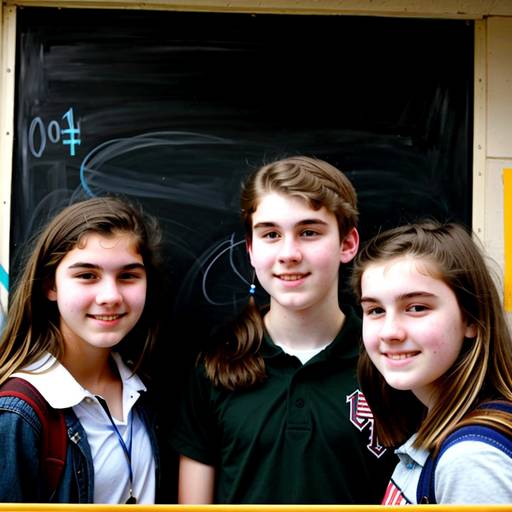
| Level | High School |
| Grade | 10th Grade |
| State | Rhode Island |
| Age Range | 15 to 16 |
| Language | English |
Areas Of Development
Our meticulously designed 10th-grade curriculum is aligned with Rhode Island academic standards and aims to foster critical thinking, creativity, and a strong foundation across various subjects. This curriculum not only prepares students for rigorous academic challenges but also encourages lifelong learning and personal growth.
English Language Arts:
Dive deep into the world of literature and language with an emphasis on reading, writing, and critical analysis. Students will explore a diverse array of literary genres, enhancing their interpretative skills and their ability to articulate thoughts clearly. They will engage in:
- Reading Comprehension: Analyze complex texts, both literary and informational, to develop interpretive skills.
- Writing Mastery: Craft narratives, arguments, and research-based essays, learning to express their ideas coherently and persuasively.
- Research Skills: Emphasize reliable research methods and proper citation practices to prepare students for academic exploration.
- Oral Communication: Participate in discussions and presentations to build confidence in public speaking while enhancing listening skills.
Mathematics:
Our math program emphasizes conceptual understanding and real-world application. We cover a broad range of topics:
- Algebra and Functions: Deepen understanding of equations, inequalities, and functions to solve real-life problems.
- Geometry and Trigonometry: Explore shapes, sizes, and the properties of space, enriching spatial reasoning skills.
- Statistics and Probability: Use data analysis to make informed decisions, equipping students with essential skills for everyday life.
- Problem Solving: Foster a growth mindset through collaborative strategies and innovative solutions to complex challenges.
Science:
Our science curriculum offers a hands-on approach to understanding the natural world:
- Interdisciplinary Focus: Integrate biology, chemistry, physics, and environmental science to give students a holistic understanding of scientific principles.
- Scientific Inquiry: Foster curiosity and critical thinking through experimentation and inquiry-based learning.
- Real-World Connections: Connect classroom learning with real-world applications, emphasizing the importance of science in everyday life.
Social Studies:
Develop informed and engaged citizens through an exploration of history, government, and global issues:
- Historical Analysis: Examine significant events and their impacts on contemporary society.
- Civic Education: Understand the workings of government and promote active citizenship and community involvement.
- Cultural Awareness: Explore geography and cultural diversity, preparing students for an interconnected world.
Physical Education:
Promote lifelong health and wellness through engaging physical education:
- Fitness Literacy: Teach students the importance of physical activity and healthy living.
- Teamwork and Strategy: Develop social skills and sportsmanship through team sports and individual activities.
- Goal Setting: Encourage personal fitness goals and self-assessment to promote independent wellness routines.
Health Education:
Empower students with knowledge and skills for healthful living:
- Mental and Emotional Health: Address mental well-being and coping strategies in a supportive environment.
- Nutrition and Wellness: Teach the importance of nutrition and personal health to promote healthy lifestyles.
- Decision-Making Skills: Equip students with strategies for making informed choices regarding health and relationships.
Arts:
Encourage creative expression and appreciation for the arts:
- Creative Exploration: Engage students in various artistic disciplines, including visual arts, music, theater, and dance.
- Artistic Experience: Encourage students to express themselves and reflect on their learning through artistic endeavors.
- Cultural Context: Highlight the role of art in history and society, fostering awareness and appreciation for diverse cultures.