
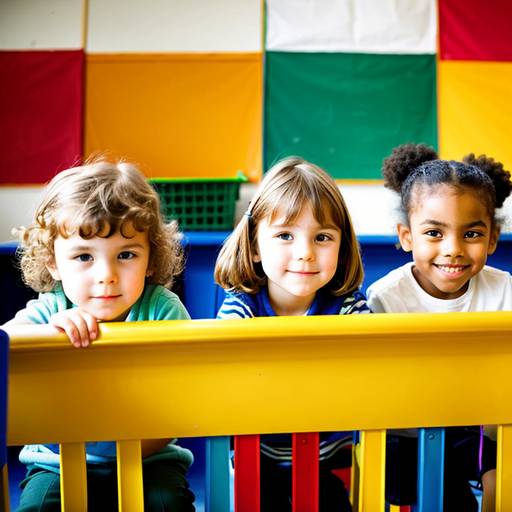
The Kindergarten curriculum encompasses essential foundational subjects, including English Language Arts, Mathematics, Science, Social Studies, Arts, and Physical Education. It aims to develop key literacy and numeracy skills, introducing phonics, sight words, and basic writing in language arts; basic counting, addition, and shape recognition in mathematics; and hands-on exploration of physical, life, and earth sciences. Social studies focus on historical awareness and community roles, while the arts component encourages creativity through visual arts, music, and drama. Additionally, physical education promotes motor skills and healthy habits, fostering overall development in young learners.
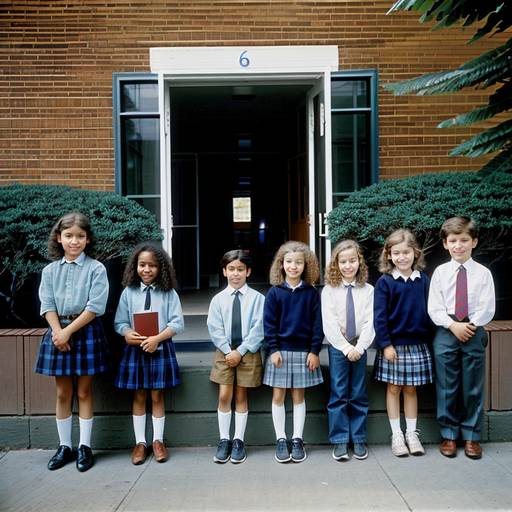
The 1st Grade curriculum focuses on developing foundational skills across various subject areas. In English Language Arts, students engage with both literature and informational texts, enhancing their reading comprehension and writing abilities through the mastery of basic grammar and vocabulary. The mathematics component emphasizes essential arithmetic concepts, including counting, addition, and subtraction, while introducing shapes and measurements. In science, children explore their environment through hands-on investigations of living organisms, physical properties, and basic weather patterns. The social studies curriculum fosters an understanding of communities, cultures, and civic responsibilities, while health and physical education promote healthy living and teamwork. Finally, students have opportunities to express their creativity through visual arts and music, enriching their educational experience and encouraging a holistic approach to learning.
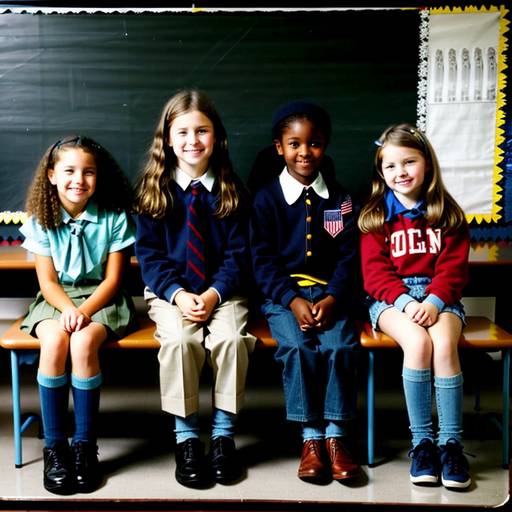
The 2nd Grade curriculum provides a comprehensive educational framework that covers essential subjects, including Language Arts, Mathematics, Science, Social Studies, and Physical Education. In Language Arts, students focus on improving reading fluency and comprehension, as well as developing writing skills through structured narratives. The Mathematics component emphasizes addition and subtraction, introduces multiplication and division, and explores concepts like measurement, geometry, and data analysis. Science lessons engage students in exploring natural phenomena, including animal life cycles and weather patterns, through hands-on experiments. Social Studies foster an understanding of community roles, cultural diversity, basic economic concepts, and historical perspectives. Finally, the Physical Education program promotes physical fitness, motor skills, teamwork, and healthy habits through various activities and sports, ensuring a well-rounded educational experience.
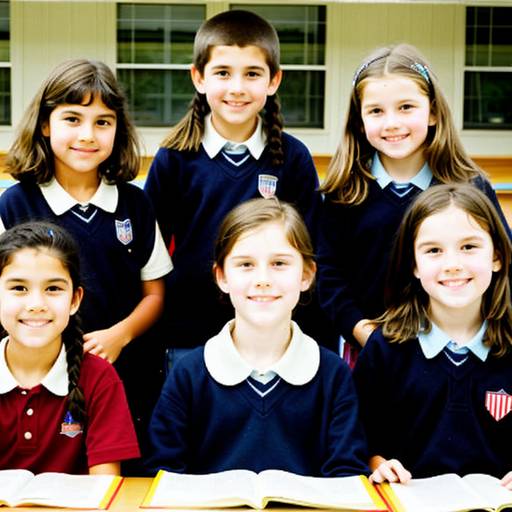
The 3rd Grade Curriculum encompasses a comprehensive approach to education across key subjects, including language arts, mathematics, science, social studies, physical education, and the arts. In language arts, students develop their reading, writing, speaking, and listening skills through engaging texts and diverse writing tasks. The math component emphasizes fluency in operations, geometry, and practical problem-solving. In science, students explore physical concepts, earth and space sciences, and life sciences through hands-on activities. The social studies segment introduces historical context, geography, and civic responsibility, while physical education focuses on promoting health and fitness through active participation in various sports. Additionally, arts education is integrated, encouraging creativity and self-expression through visual art and music. This holistic curriculum is designed to support the intellectual, social, and emotional development of 3rd graders.
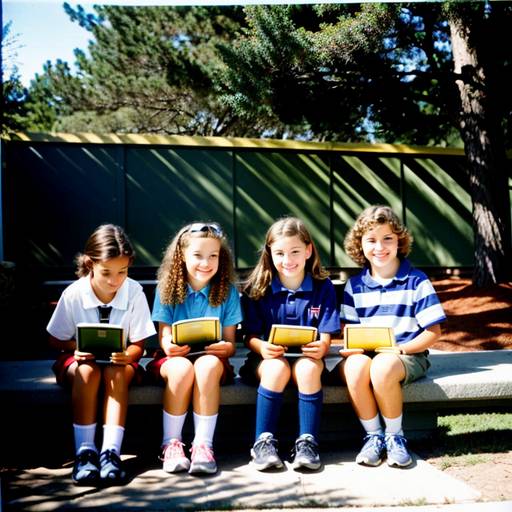
The comprehensive curriculum for 4th graders encompasses a range of subjects including Language Arts, Math, Science, and Social Studies, aiming to develop foundational skills and knowledge. In Language Arts, students focus on improving reading comprehension, writing coherence, and effective communication through discussions and presentations. The Math component emphasizes mastery of arithmetic operations, fractions, decimals, measurement, and geometry. The Science section invites hands-on exploration of physical, life, and Earth sciences while integrating technology and engineering principles. Finally, the Social Studies curriculum covers historical events, geographic concepts, civic responsibilities, and basic economic principles, promoting an understanding of community and citizenship. Overall, the curriculum fosters critical thinking, creativity, and social awareness among students.
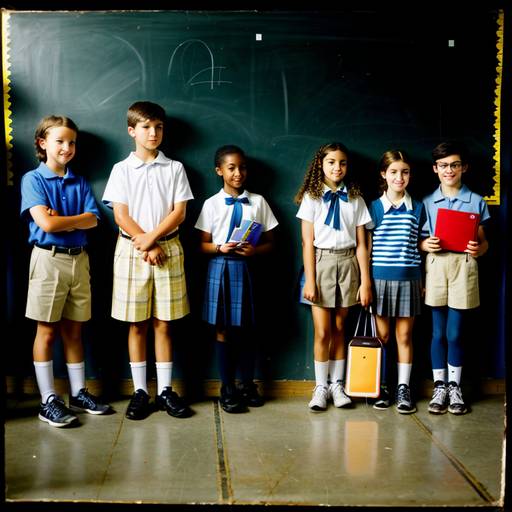
This comprehensive 5th grade curriculum covers essential subjects, including English Language Arts, Mathematics, Science, and Social Studies. In English Language Arts, students develop their reading comprehension, writing skills across various genres, and proficiency in speaking and listening through collaborative discussions. The Mathematics section emphasizes foundational concepts in number operations, algebraic thinking, geometry, and data interpretation. The Science component encourages inquiry into physical science, life science, and Earth and space science, promoting hands-on exploration and understanding of the natural world. Finally, the Social Studies component fosters knowledge of history, geography, civics, and economics, helping students understand their role in a diverse society and the workings of government and economic systems. Overall, the curriculum is designed to engage students and cultivate critical thinking and problem-solving skills across disciplines.