
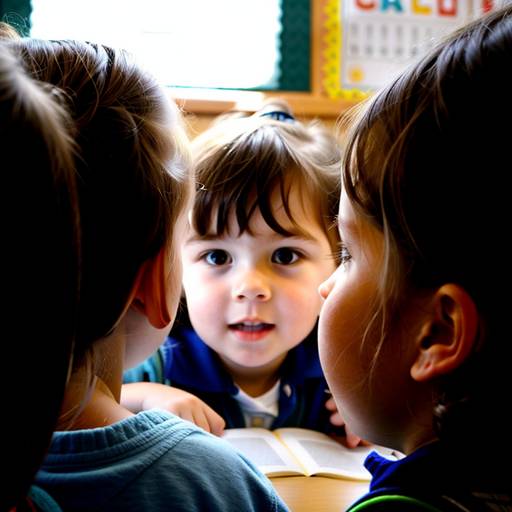
The Kindergarten curriculum encompasses a comprehensive approach to early education by integrating core subject areas such as English Language Arts, Mathematics, Science, Social Studies, and Fine Arts. In English Language Arts, students develop foundational skills in reading, writing, speaking, and listening through engaging activities and storytelling. The Mathematics component focuses on counting, basic operations, measurement, and geometry, promoting critical thinking and problem-solving. In Science, students explore physical, life, and Earth sciences through hands-on investigations that encourage inquiry and curiosity about the natural world. The Social Studies segment introduces concepts of history, geography, and civics, helping young learners understand their communities and cultural diversity. Finally, the Fine Arts section fosters creativity through visual arts, music, and drama, allowing students to express themselves and enhance their motor and social skills. Overall, the curriculum aims to provide a holistic and enriching educational experience for young learners.
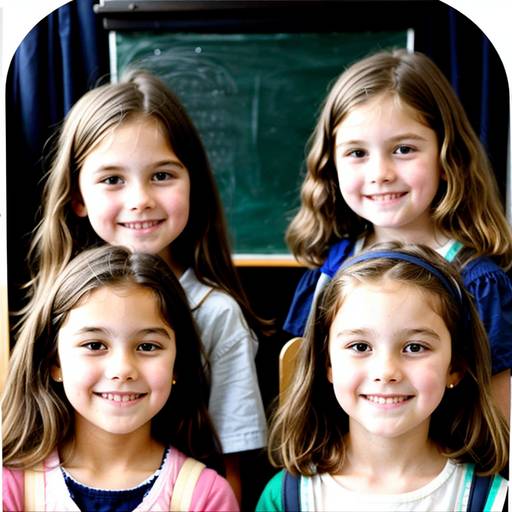
The 1st Grade Curriculum is designed to provide a comprehensive educational experience across key subject areas, including English Language Arts, Math, Science, Social Studies, Fine Arts, and Health. In English Language Arts, students focus on developing reading, writing, speaking, and listening skills through engaging texts and collaborative discussions. The Math component emphasizes foundational concepts such as addition, subtraction, and basic geometry through interactive problem-solving activities. Science encourages exploration of the natural world via hands-on investigations, while Social Studies introduces students to history, geography, and civic responsibilities, fostering informed citizenship. The Fine Arts section inspires creativity through visual arts and music, allowing students to express themselves artistically. Lastly, the Health curriculum promotes personal well-being, including hygiene, nutrition, and emotional wellness, ensuring a holistic approach to student development.
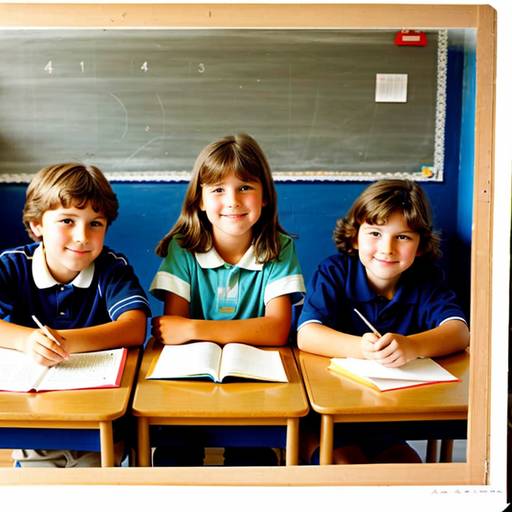
The second-grade curriculum encompasses a diverse range of subjects designed to foster holistic development in young learners. In Language Arts, students enhance their reading comprehension, writing abilities, and speaking skills through various literary forms and engaging discussions. The Math curriculum focuses on foundational concepts such as addition, subtraction, place value, and basic geometry, encouraging problem-solving through real-world applications. Science education promotes inquiry and exploration of physical, life, and Earth sciences, while Social Studies introduces students to essential concepts of geography, history, and civic responsibility. Additionally, the curriculum includes Physical Education, Art, and Music, which encourage creativity, physical health, and artistic expression, providing students with a well-rounded educational experience.
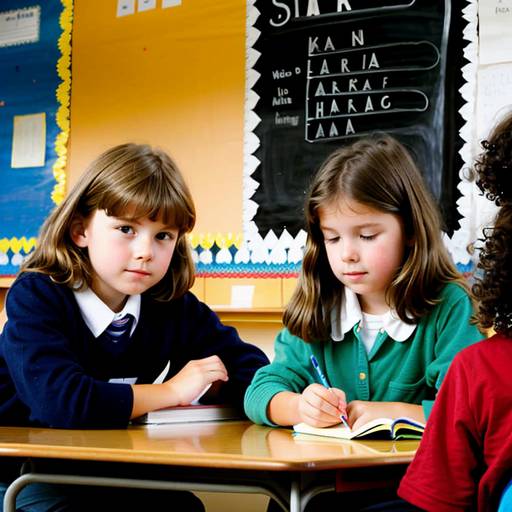
The 3rd Grade Curriculum encompasses a comprehensive approach to education across essential subjects, fostering critical skills and knowledge in students. In Language Arts, learners focus on enhancing reading comprehension, writing proficiency, and vocabulary development through a variety of engaging texts. The Mathematics segment emphasizes foundational concepts including operations, algebraic thinking, and measurement, promoting problem-solving abilities. The Science curriculum encourages exploration of physical, life, and Earth sciences, instilling curiosity and a love for discovery. Social Studies introduces students to geography, history, and civics, nurturing awareness of their community and the world. Additionally, the Art program allows for creative expression and appreciation of diverse cultures, while Physical Education emphasizes health, fitness, and teamwork. Overall, the curriculum aims to provide a well-rounded educational experience that supports intellectual, emotional, and social growth.
This comprehensive 4th-grade curriculum encompasses core subjects including English Language Arts, Math, Science, Social Studies, and Specials, providing a well-rounded educational experience. In English Language Arts, students develop reading comprehension, writing skills, and speaking abilities through a variety of literary and informational texts. The Math curriculum focuses on number operations, fractions, decimals, algebra, geometry, and real-world applications to build students' confidence in mathematical concepts. Science lessons explore physical, life, and earth sciences through inquiry-based activities and hands-on experiments. In Social Studies, students learn about geography, history, civics, and economic principles, fostering their understanding of societal structures and cultural heritage. Additionally, the Specials component, which includes Art, Music, Physical Education, and Technology, nurtures creativity, physical fitness, and digital literacy, ensuring a holistic approach to education that supports varied student interests and learning styles.
The 5th-grade curriculum encompasses a comprehensive range of subjects designed to promote critical thinking and creativity in students. In English Language Arts, students focus on reading comprehension, writing across various genres, and enhancing communication skills. The math component emphasizes a deep understanding of operations with whole numbers, fractions, and measurement while encouraging real-world problem-solving. Science education incorporates hands-on investigations of the scientific method, ecosystems, and basic physical principles. Social studies delve into history, geography, and civic responsibilities, fostering an understanding of community and culture. Additionally, the curriculum includes physical education, art, and music, which encourage creative expression and collaboration, while technology instruction equips students with essential digital skills and responsible online behavior. Overall, this integrated approach seeks to develop well-rounded, engaged learners prepared for future academic challenges.