

The kindergarten curriculum encompasses a comprehensive range of subjects designed to foster essential early learning skills in young children. It focuses on developing foundational English language arts, including reading, writing, and oral communication skills through engaging activities and interactive storytelling. Mathematics instruction covers basic number sense, operations, geometry, and simple data analysis, encouraging hands-on exploration and problem-solving. The science component introduces students to physical science, life science, and earth and space science through observation and experimentation. Social studies educate students about history, geography, and civic principles, promoting an understanding of their community and the world. Additionally, physical education addresses gross and fine motor skill development while emphasizing health and nutrition, ensuring a well-rounded educational experience that prepares children for future learning.
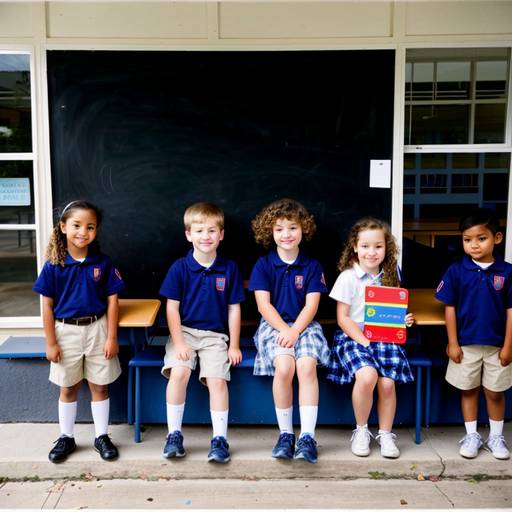
The First Grade Curriculum is designed to develop foundational skills across key academic areas, including English Language Arts, Mathematics, Science, and Social Studies. In English Language Arts, students enhance their literacy by engaging with various texts, learning to identify main topics, and expressing ideas through personal narratives. Mathematics instruction focuses on number sense, basic operations, measurement, and geometry, promoting problem-solving abilities and hands-on activities. The science component encourages inquiry and exploration of physical properties, life sciences, and earth sciences through observation and collaborative design tasks. In Social Studies, students cultivate an understanding of community, historical contexts, geography, and civic responsibilities, fostering their identity as informed and engaged citizens. Overall, the curriculum emphasizes active participation and critical thinking, supporting the holistic development of first-grade learners.
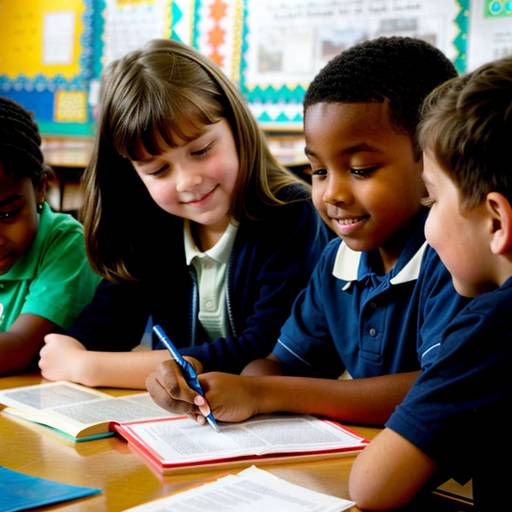
The 2nd-grade curriculum encompasses a comprehensive approach to key subjects, including English Language Arts, Mathematics, Science, Social Studies, and Physical Education. In English Language Arts, students develop foundational reading and writing skills through engaging texts and collaborative discussions. The Mathematics segment focuses on operations, number sense, and introductory geometry, emphasizing problem-solving and critical thinking. Science encourages curiosity about the natural world, with a study of life sciences, earth sciences, and hands-on experiments. Social Studies introduces geographical awareness and historical insights, promoting civic engagement and understanding of community roles. Lastly, Physical Education emphasizes fundamental movement skills and the importance of active lifestyles, contributing to students’ overall development.
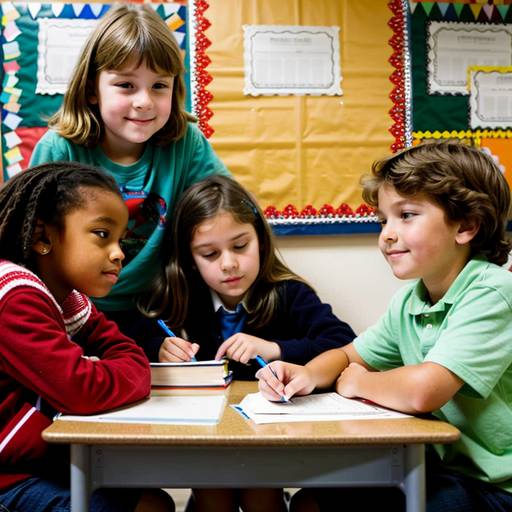
The 3rd-grade English Language Arts curriculum focuses on enhancing reading, writing, speaking, and listening skills through a diverse approach to literature and language. Students will engage with various texts, learning to identify key details, analyze story structures, and explore figurative language while also developing creative writing abilities, including narrative construction and editing techniques. Additionally, the curriculum emphasizes effective communication through class discussions and presentations. Complementary subjects such as mathematics, science, and social studies are integrated, allowing students to master fundamental concepts in operations, geometry, and inquiry-based learning, fostering a well-rounded educational experience that promotes critical thinking and civic awareness.
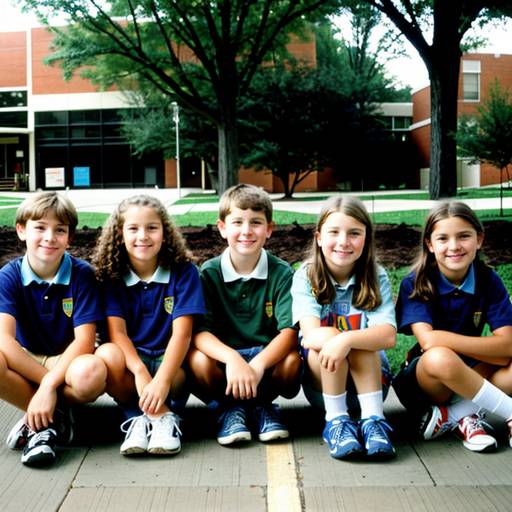
The 4th Grade Curriculum provides a structured framework designed to enhance students' skills across various subjects including English Language Arts, Math, Science, and Social Studies. Students will engage in diverse reading materials to develop comprehension and writing skills, while also mastering grammar and punctuation. In Math, learners will explore number operations, geometry, measurement, and fractions to build a solid mathematical foundation. The Science component encourages inquiry into physical science, life science, and Earth and space science, fostering curiosity about the natural world. Meanwhile, the Social Studies segment covers history, geography, civics, and economics, helping students understand their role in society and the interconnectedness of cultures and economies. Overall, the curriculum aims to nurture critical thinking, creativity, and a love for learning in young learners.
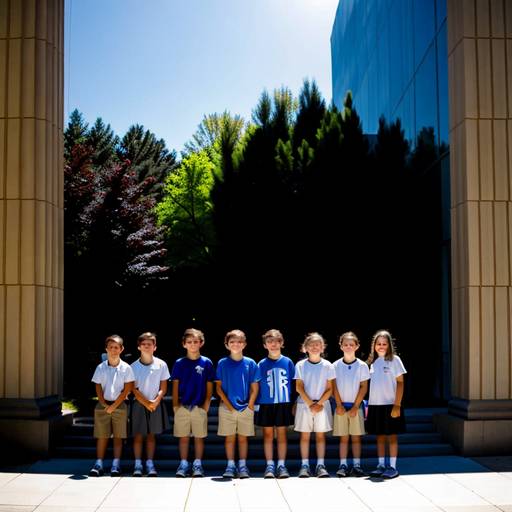
The 5th grade curriculum encompasses a comprehensive range of subjects designed to foster critical skills and knowledge in students. In English Language Arts, students enhance reading comprehension, writing techniques, and communication skills while mastering grammar. The mathematics component emphasizes problem-solving through multi-step operations, number sense, measurement, and geometry. In science, students explore topics in physical science, life science, and earth and space science, while also engaging in hands-on engineering design projects. The social studies segment focuses on civics, geography, history, and economics, encouraging students to understand their roles as informed citizens. This integrated approach aims to nurture critical thinking, creativity, and collaborative skills necessary for academic and personal growth.