

The curriculum for kindergarten education encompasses a comprehensive approach to early learning across various core subjects. In Language Arts, students develop foundational literacy skills through activities focused on phonics, storytelling, and basic writing. The Math segment emphasizes counting, number recognition, basic operations, and an exploration of shapes and measurement. Science lessons foster curiosity and observational skills, introducing students to concepts of living and nonliving things, as well as basic physical properties. Social Studies encourages an understanding of community roles, cultural diversity, and the importance of rules and symbols. Additionally, the Fine Arts component allows for creative expression through music, dance, and visual arts, while Physical Education promotes healthy habits and fundamental movement skills. Together, these elements create a holistic educational experience that supports the cognitive, social, and physical development of young learners.

The 1st Grade curriculum focuses on developing foundational skills across key subjects, including English Language Arts, Mathematics, Science, and Social Studies. In English Language Arts, students engage with various text types, enhance their storytelling and writing abilities, and improve their oral communication skills. The Mathematics component emphasizes basic addition and subtraction, number sense, measurement, and geometry through interactive activities. Science allows students to explore sound, weather patterns, and the structure of plants and animals through hands-on experiments. Social Studies introduces concepts of community roles, government, and personal financial literacy, encouraging students to understand their place in society. Overall, the curriculum promotes an engaging and holistic approach to learning, fostering curiosity and critical thinking skills in young learners.
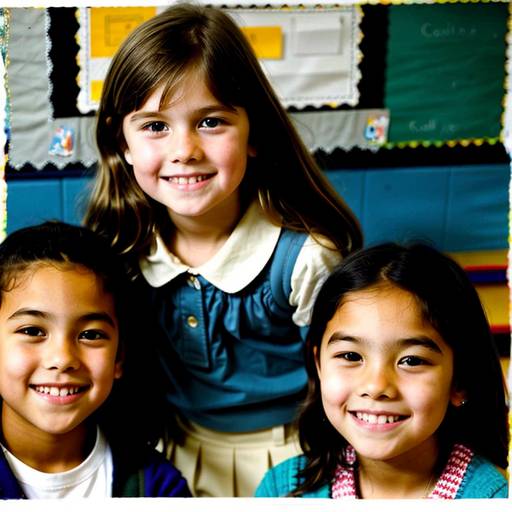
The 2nd Grade English Language Arts curriculum focuses on developing students' reading, writing, and comprehension skills through a balanced approach that includes both literature and informational texts. Students engage with a variety of literary genres, learning to identify main topics, clarify the meanings of words and phrases, and recount stories to uncover their central messages and morals. In reading informational texts, they practice identifying main ideas and supporting details, as well as exploring connections between concepts. The writing component encourages personal expression through opinion pieces and narrative texts, fostering essential communication skills. Interactive lessons and diverse reading materials are incorporated to enhance student engagement, while ongoing assessments help track progress and provide necessary support.
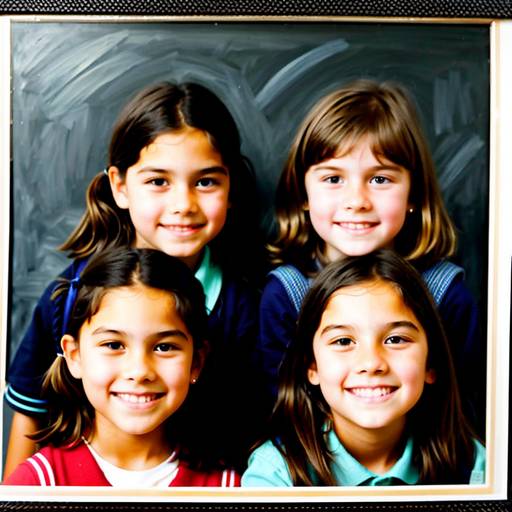
The third-grade curriculum encompasses a comprehensive range of subjects, designed to develop foundational skills in English Language Arts, Mathematics, Science, and Social Studies. In English Language Arts, students focus on reading comprehension through literature and informational texts, while honing their writing, speaking, and listening abilities. The Mathematics component emphasizes operations, number concepts, measurement, and geometry to strengthen problem-solving skills. The Science curriculum introduces students to physical sciences, life sciences, and Earth and space science through hands-on experiments and inquiry-based learning. Lastly, Social Studies explores geography, history, civics, and economics, encouraging an understanding of local and global communities. This multidisciplinary approach aims to nurture critical thinking, creativity, and effective communication in young learners.
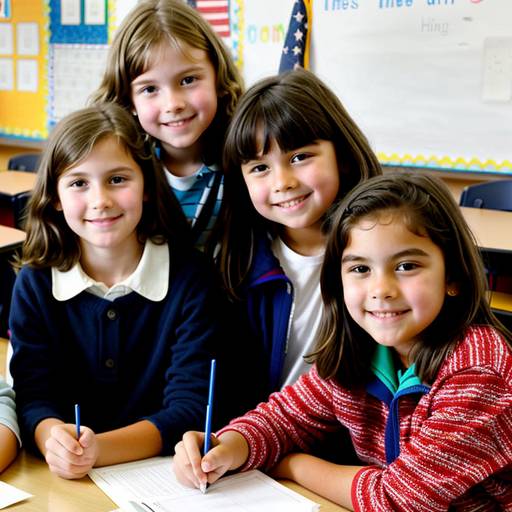
The 4th Grade curriculum is designed to provide a holistic educational experience across key subject areas, including English Language Arts, Mathematics, Science, and Social Studies. In English Language Arts, students develop critical reading and writing skills, focusing on comprehension, narrative construction, and effective communication. The Mathematics component emphasizes problem-solving through multi-digit operations, data interpretation, measurement, and basic geometry concepts. Science fosters inquiry and exploration of physical, earth, and life sciences, encouraging students to investigate natural phenomena and understand ecosystems. Social Studies engages students with geographic awareness, historical insights, civic responsibilities, and basic economic principles, promoting informed citizenship and an appreciation for their community and history.
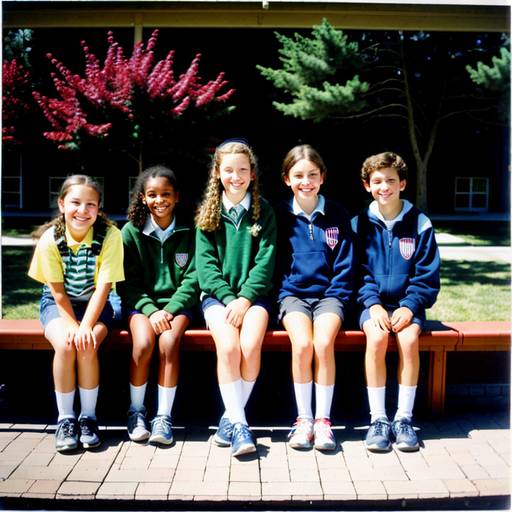
The curriculum for 5th graders encompasses a comprehensive range of subjects designed to enhance students' academic and personal development. In English Language Arts, students focus on improving reading comprehension, writing skills, and effective communication through diverse literary texts and collaborative activities. The Mathematics section covers essential concepts such as number operations, fractions, decimals, algebra, geometry, and data analysis, fostering problem-solving abilities. Engaging in inquiry-based Science activities, students explore physical, life, and Earth sciences through hands-on experiments that encourage curiosity and critical thinking. The Social Studies component provides insights into historical events, geography, civics, and basic economic concepts, promoting an understanding of community and global citizenship. Additionally, the curriculum emphasizes Health and Physical Education for overall well-being, Fine Arts for creative expression, and essential technology skills to prepare students for a digital future. Overall, the curriculum aims to create well-rounded individuals equipped with the knowledge and skills necessary for their continued education.