
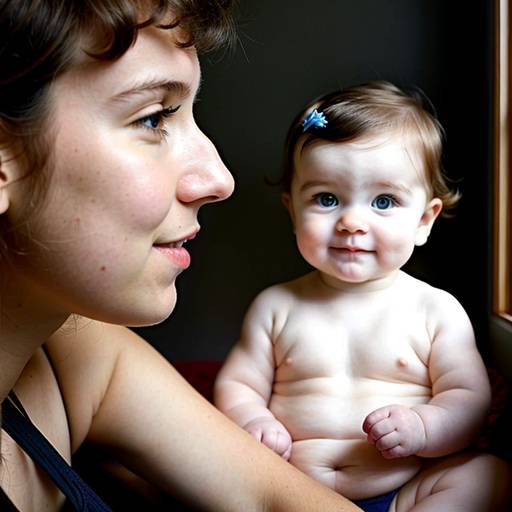
The curriculum for infants aged 6 months to 1 year focuses on fostering holistic development across several key areas: language, cognitive, physical, social, emotional, and creative growth. It emphasizes engaging communication through rich verbal interactions, songs, and expressive gestures, while promoting cognitive skills via exploration of sensory experiences and cause-and-effect activities. Physical development is supported through safe exploration, tummy time, and activities that encourage movement. Social and emotional development is nurtured through responsive caregiving and structured play, helping infants form connections and begin to understand their emotions. Additionally, creative expression is cultivated through artistic activities and music, allowing infants to explore and experiment with various materials, promoting joy and imagination as they navigate their early learning experiences.
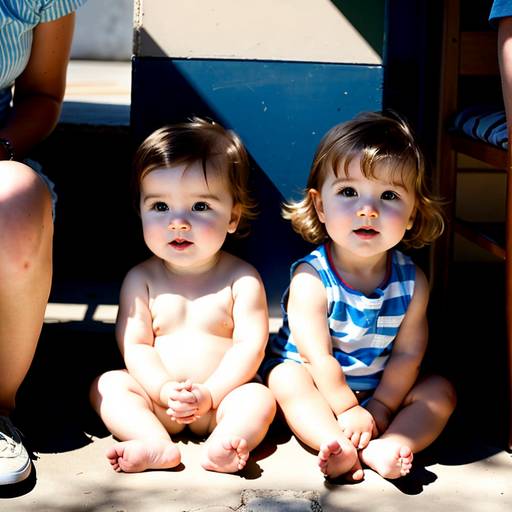
The curriculum for toddlers aged 1 to 3 years focuses on fostering holistic development through a play-based approach. Key areas of emphasis include social-emotional growth, where children learn to express their feelings and develop peer relationships; physical development that enhances gross and fine motor skills through active play; and language and literacy skills via storytelling, songs, and rhymes. Cognitive development is encouraged through activities like sorting and basic math concepts, while creative arts activities such as drawing and music allow for self-expression and imagination. Additionally, the curriculum introduces fundamental science and social studies concepts through exploration of the natural world and community, alongside promoting essential health and safety habits. This comprehensive framework ensures that each child is nurtured in all developmental areas, fostering a well-rounded early learning experience.
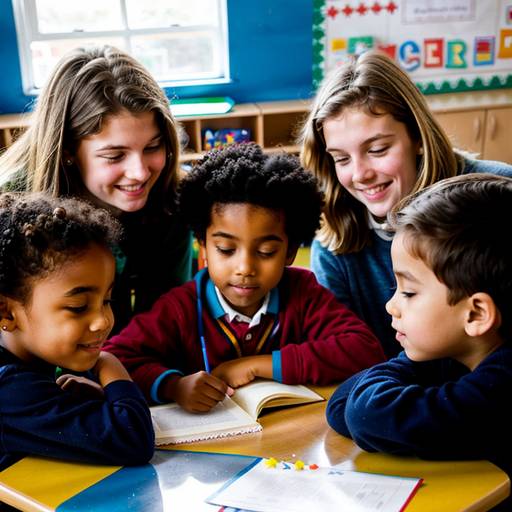
The preschool curriculum focuses on fostering the holistic development of young learners through a structured yet flexible approach aligned with early learning standards. It encompasses key areas such as language and literacy, where children enhance their vocabulary and comprehension through interactive storytelling. Mathematics concepts are explored through hands-on activities that promote counting, sorting, and pattern recognition. The science component encourages curiosity and critical thinking as children investigate their environment and conduct simple experiments. Social studies emphasize identity, community, and cultural diversity, while fine arts provide creative outlets through visual arts, music, and dramatic play. Additionally, the curriculum promotes physical development with activities that enhance motor skills and teach essential health practices, ensuring a well-rounded educational experience for preschool-aged children.