
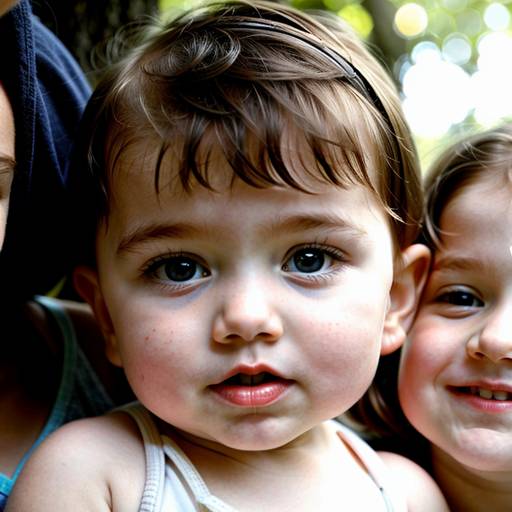
The curriculum for infants aged 6 months to 1 year is designed to support comprehensive development across multiple domains, including language, physical, cognitive, and social-emotional growth. It emphasizes early language acquisition through interactive activities such as sound play, storytelling, and music. Physical development is encouraged through activities like tummy time and exploratory play, fostering gross and fine motor skills. Cognitive skills are stimulated with sensory exploration, problem-solving toys, and engaging games. Additionally, the curriculum focuses on social-emotional development by promoting secure attachments and emotional regulation through positive interactions. Through a variety of enriching activities, it aims to cultivate curiosity, persistence, and a love of learning in infants.
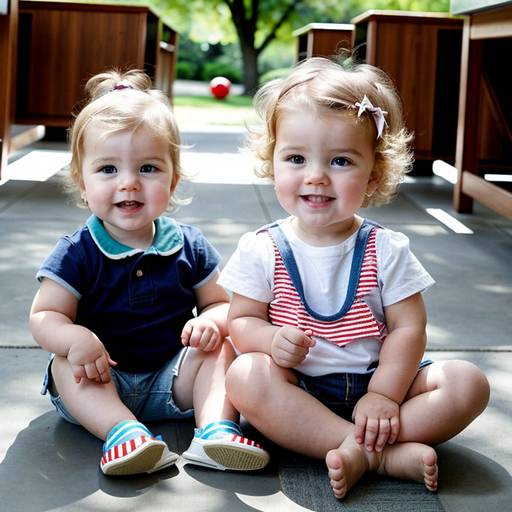
This comprehensive curriculum for toddlers aged 1 to 3 focuses on key developmental areas, including language and literacy, mathematics, science, social studies, physical development, and creative arts. It emphasizes interactive learning through storytelling, songs, and hands-on activities to enhance vocabulary and listening skills. Early math concepts are introduced via counting and shape sorting, while science exploration encourages curiosity through sensory play and simple experiments. Social skills, emotional awareness, and cultural understanding are fostered through discussions and cooperative activities. The curriculum also prioritizes physical development with opportunities for active play and health education, alongside creative outlets that allow for self-expression through art, music, and imaginative play.
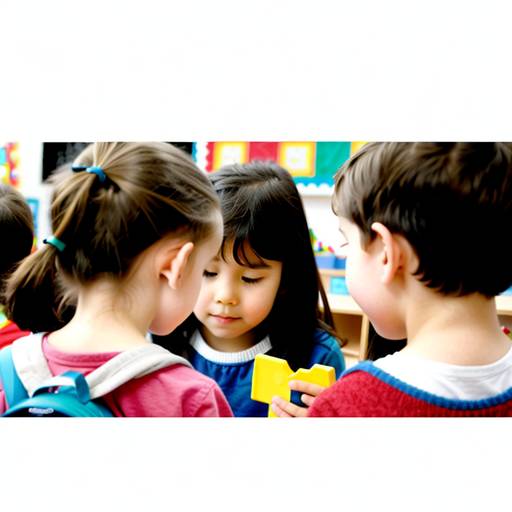
The preschool curriculum is designed to promote holistic development in young learners through a variety of engaging subject areas. It encompasses language arts, where children enhance early literacy skills through storytelling and creative expression; mathematics, focusing on counting, sorting, and pattern recognition; and science, encouraging exploration of living and nonliving things, weather, and environmental observations. Social studies introduce concepts of community and diversity, while physical education emphasizes motor skill development through active play. Additionally, fine arts foster creativity through various artistic mediums, health education instills hygiene and nutrition awareness, and technology provides foundational digital literacy skills. Together, these components create a comprehensive approach to early learning, supporting children's growth in multiple dimensions.