
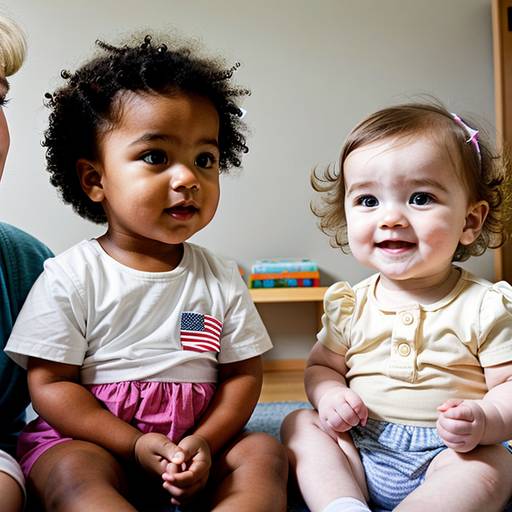
This curriculum for infants aged 6 months to 1 year focuses on fostering essential areas of development, including language, physical, cognitive, social-emotional, and approaches to learning. It provides educators with strategies to promote early language interactions, encourage physical milestones, and stimulate cognitive exploration through play. Additionally, the curriculum emphasizes building emotional connections between infants and caregivers while nurturing curiosity and engagement in learning experiences. By offering a holistic approach, it ensures that infants receive a well-rounded foundation for future growth and development.
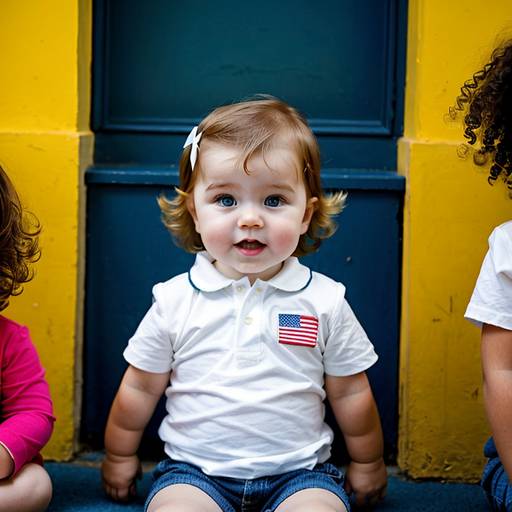
This toddler curriculum is designed for children aged 1 to 3, focusing on their holistic development across several key areas: language, physical, cognitive, social-emotional, and creative learning. It emphasizes communication and vocabulary expansion through engaging storytelling, songs, and interactive activities. The curriculum fosters fine and gross motor skills with hands-on experiences and active play. Cognitive development is supported through problem-solving tasks and memory-enhancing games, while social skills are cultivated through collaborative play and emotional regulation strategies. Additionally, the curriculum nurtures curiosity and creativity, providing a rich environment for exploration and self-expression. Overall, it aims to create a well-rounded foundation for lifelong learning and personal growth in young children.
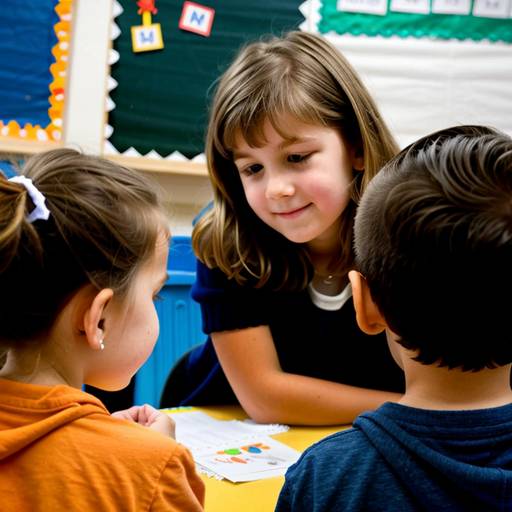
The Preschool Curriculum provides a comprehensive framework for early childhood education encompassing key developmental areas including language arts, mathematics, science, social studies, physical development, creative arts, and social-emotional growth. It emphasizes hands-on, play-based learning experiences that foster literacy and numeracy skills, encourage exploration of the natural world, promote understanding of community and cultural diversity, and develop physical coordination and creativity. Additionally, the curriculum focuses on nurturing emotional intelligence by teaching children to recognize and manage their feelings while building essential social skills such as cooperation and empathy. Overall, it aims to create a stimulating learning environment that supports the holistic development of young children.