

This comprehensive curriculum for infants aged 6 months to 1 year focuses on promoting holistic development across multiple domains. It emphasizes social-emotional growth by fostering secure attachments and emotional recognition, while also encouraging physical development through activities that enhance gross and fine motor skills. Cognitive skills are nurtured through sensory-rich play and exploration, promoting curiosity and problem-solving abilities. Language and literacy development are prioritized through verbal interactions and engaging reading experiences. Additionally, early numeracy and scientific understanding are introduced through playful exploration of basic concepts. Opportunities for creative expression are provided through various art forms, and health and wellness practices are integrated to encourage self-care and healthy habits. Overall, the curriculum is designed to support educators in creating a nurturing and developmentally appropriate learning environment that fosters the growth and well-being of infants.
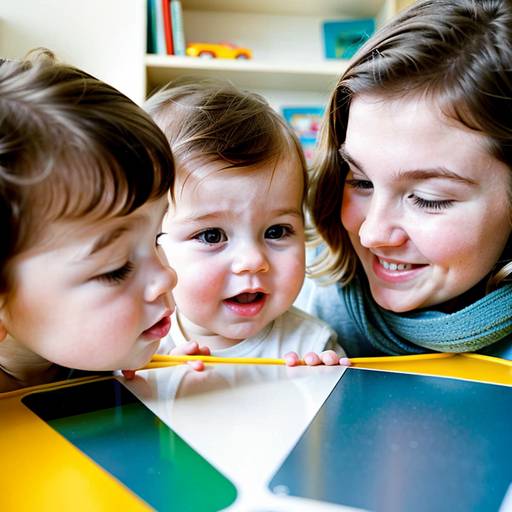
The toddler curriculum is designed to support the holistic development of children aged 1 to 3 through a variety of engaging activities that promote language, mathematics, social and emotional skills, physical growth, and cognitive exploration. It includes interactive storytelling, songs, and rhymes to enhance language development, along with hands-on math experiences that introduce basic concepts like counting and sorting. Social and emotional growth is prioritized through guided interactions that foster communication, empathy, and cooperation. Physical development is encouraged through active play that builds gross and fine motor skills, while cognitive exploration is supported through sensory play and creative problem-solving activities. Overall, the curriculum provides a structured yet flexible framework that addresses the diverse needs of young children in their formative years.
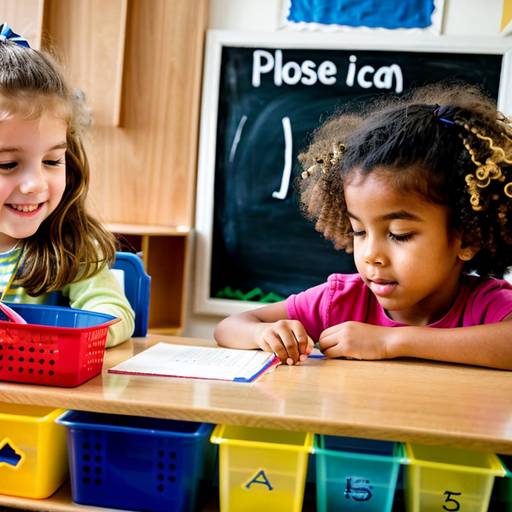
The curriculum is designed for preschool educators, focusing on key developmental areas essential for early childhood education. It includes modules on English Language Arts that promote early literacy skills through storytelling, phonics, and print concepts. The Mathematics section emphasizes counting, number recognition, and basic shapes, while the Science module encourages exploration of the natural world, weather patterns, and scientific principles through hands-on activities. Social Studies fosters understanding of community, family, and cultural diversity, promoting social-emotional growth. The Fine Arts component engages children in creative expression through various artistic mediums, while the Physical Education segment develops gross motor skills and an appreciation for physical fitness through active play. Overall, the curriculum provides a comprehensive foundation for young learners across multiple domains of development.