

This curriculum for infants aged 6 months to 1 year focuses on fostering comprehensive development across cognitive, language, physical, social, emotional, and creative domains. It emphasizes activities that promote sensory exploration, early problem-solving, and motor skills through safe play and interactive materials. Language development is encouraged through the reading of board books, singing nursery rhymes, and engaging in conversational interactions. Social and emotional growth is supported by nurturing caregiver-infant bonding, opportunities for peer interaction, and teaching emotional recognition. The curriculum aims to cultivate curiosity, persistence, and engagement in infants, providing a rich environment conducive to their natural learning processes.
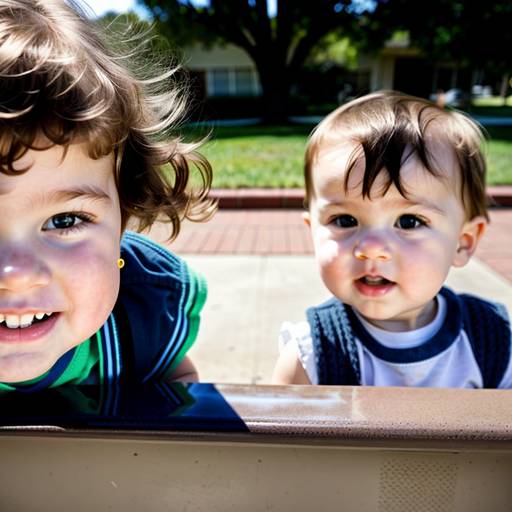
The curriculum for toddlers focuses on fostering holistic development in children aged 1 to 3 years through a variety of engaging activities. It emphasizes key areas such as language and literacy, mathematics, science, social studies, creative arts, and physical wellness. Daily read-aloud sessions, hands-on exploration, and interactive play are integrated to enhance communication skills, critical thinking, and social awareness. The curriculum encourages self-expression through art and music while prioritizing physical health through gross and fine motor activities. Overall, it creates a nurturing and stimulating environment that supports young children's growth and development in a comprehensive manner.
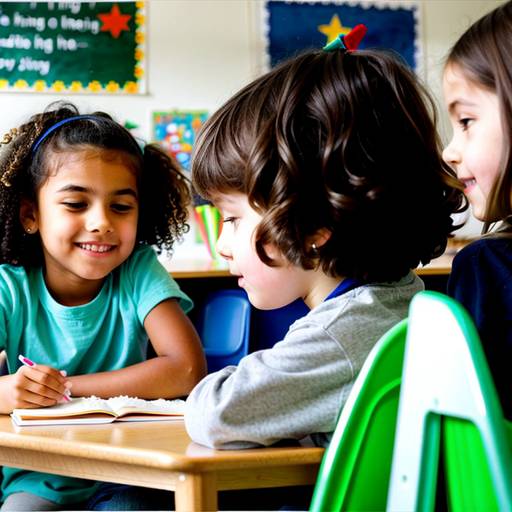
This preschool curriculum is designed to provide a well-rounded educational foundation for young learners by incorporating key developmental areas such as language arts, mathematics, science, social studies, arts and creativity, and physical development. In language arts, children engage in activities that promote phonemic awareness and storytelling skills, while the mathematics section introduces counting, patterns, and basic operations through hands-on experiences. The science component encourages exploration of the natural world, including the study of animals and ecosystems. Social studies activities foster empathy and understanding of diverse cultures and community roles. Creative expression is emphasized through art and music, nurturing fine motor skills and imaginative thinking. Finally, the physical development aspect focuses on enhancing gross and fine motor skills, promoting healthy habits and independence in daily routines. Overall, the curriculum aims to create a stimulating and supportive environment that prepares preschoolers for future academic success and lifelong learning.