
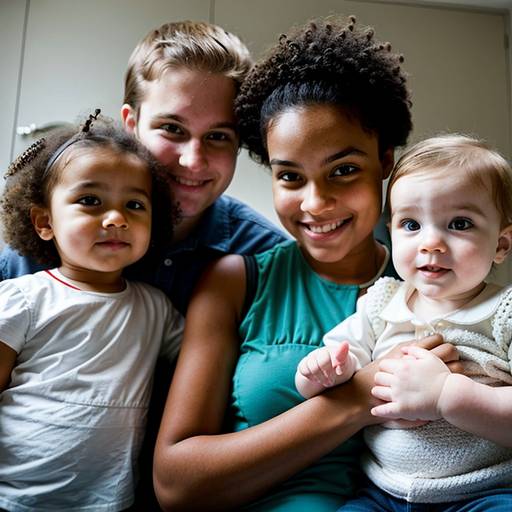
The curriculum for infants aged 6 months to 1 year is designed to support holistic development across several key areas: physical, cognitive, language and literacy, social and emotional, and approaches to learning. It emphasizes engaging activities that stimulate curiosity and growth, such as tummy time, sensory exploration, and interactive storytelling. Additionally, the curriculum promotes secure attachments through responsive caregiving and encourages social interaction among peers through turn-taking and sharing. By fostering creativity and providing a structured environment, this curriculum lays a strong educational foundation for infants, preparing them for future learning experiences.
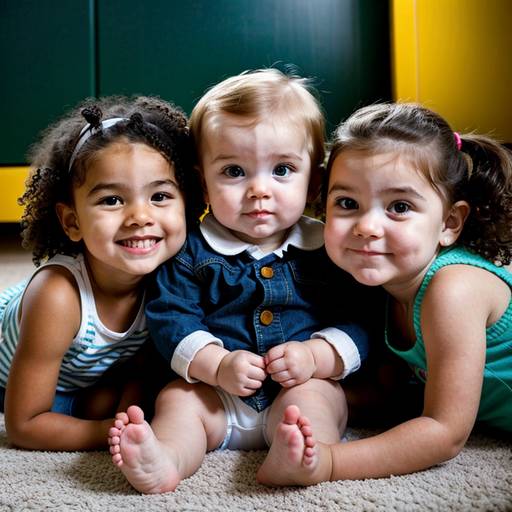
This comprehensive curriculum for toddlers aged 1 to 3 years focuses on fostering essential areas of development, including language, cognitive, social-emotional, physical, and creative skills. It promotes language development through songs, rhymes, and picture books, while cognitive growth is facilitated through hands-on activities like sorting and problem-solving. The curriculum encourages social interactions through guided play, helping toddlers learn to share and empathize. Physical development is supported with a variety of gross and fine motor activities, and creative expression is stimulated through art, music, and imaginative play. Overall, the curriculum provides a well-rounded approach to early childhood education, ensuring holistic growth and a foundation for future learning.
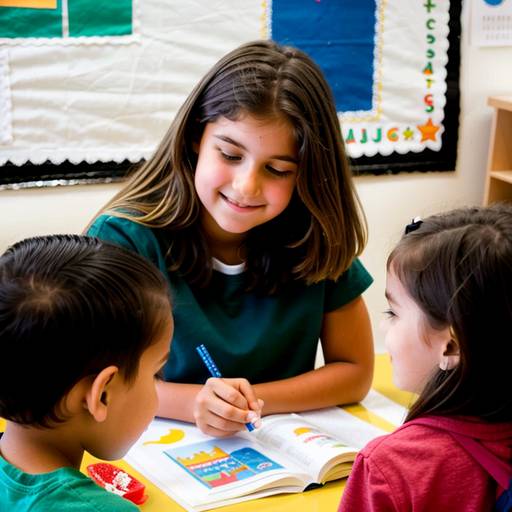
The preschool curriculum is designed to promote holistic development in young learners across several key areas, including language arts, math, science, social studies, physical development, and creative arts. It focuses on foundational literacy skills such as recognizing letters and sounds, as well as introducing basic numeracy concepts like counting, addition, and pattern recognition. The science component encourages curiosity about the natural world through observation and experimentation, while social studies fosters social skills and cultural awareness. Physical development activities enhance both fine and gross motor skills, and creative arts promote expression through various mediums, including music, dance, and visual arts. Overall, the curriculum aims to provide a balanced and engaging learning experience that supports children's growth and nurtures their love for learning.