
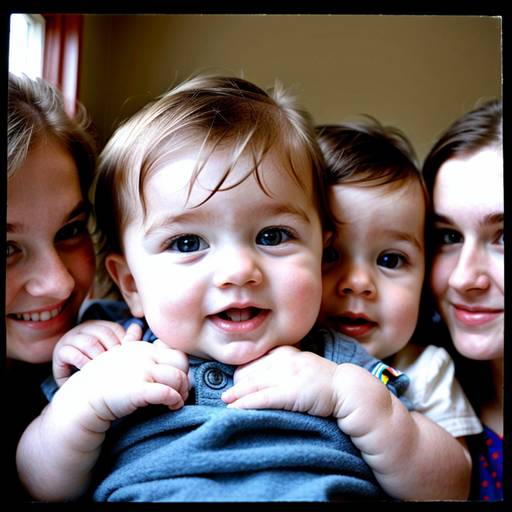
The infant development curriculum focuses on supporting holistic growth for children aged 6 months to 1 year by emphasizing social-emotional, physical, language, cognitive development, and approaches to learning. It encourages secure attachments through responsive interactions with caregivers, promotes motor skills through safe play environments, and enhances language acquisition through reading and singing activities. Cognitive growth is facilitated through sensory experiences and problem-solving play, while an emphasis on exploratory play nurtures curiosity and independence. Overall, the curriculum provides a structured yet flexible framework for educators to foster an enriching and supportive environment for infants.
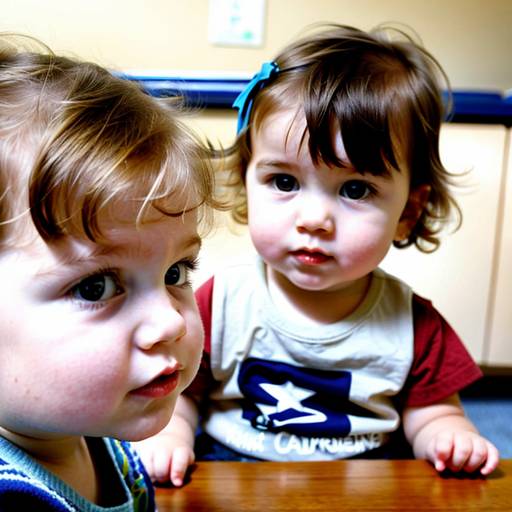
This toddler curriculum is designed for children aged 1 to 3 years and centers on key developmental areas, including Language and Literacy, Mathematics, Science, and Social Studies. It emphasizes a play-based and child-centered approach, fostering rich language experiences through interactive storytelling and expressive activities. Mathematics skills are developed through engaging counting games, sorting, and pattern recognition. Science exploration encourages curiosity about the natural world via hands-on sensory experiences and simple experiments. Social Studies introduces concepts of community and emotional intelligence through discussions about feelings and cultural diversity. Overall, this curriculum supports holistic growth, preparing toddlers for future learning and social engagement.
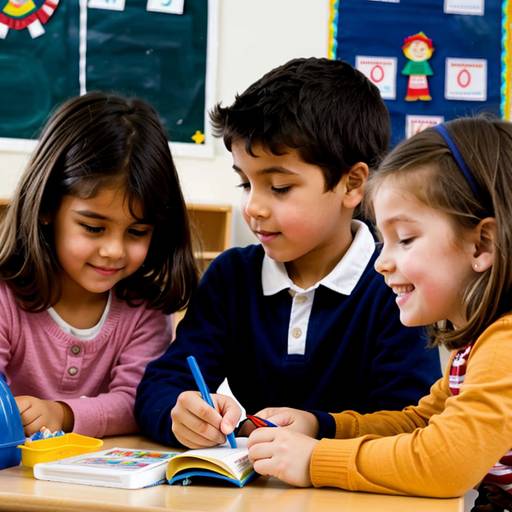
The preschool curriculum focuses on fostering holistic development in young children through various interconnected domains. Language arts activities prioritize early literacy skills, including letter recognition, phonological awareness, and effective communication. In mathematics, children engage with counting, shape recognition, and basic operations like addition and subtraction. The science portion encourages inquiry through exploration of weather, plants, and basic physical properties. Social studies introduce concepts of community, diversity, and social responsibility. Creative expression is nurtured through art, while music activities enhance rhythm and auditory skills. Additionally, physical education promotes gross motor development and teamwork through active play. Overall, this comprehensive approach aims to support young learners’ cognitive, emotional, and physical growth, preparing them for future educational experiences.