

This comprehensive infant curriculum is designed for children aged 6 months to 1 year, focusing on their physical, cognitive, social, and emotional development through a variety of interconnected learning areas. The curriculum emphasizes early communication skills with activities that include storytelling and simple gestures, while foundational math concepts are introduced through playful interactions involving counting and sorting. Physical development is supported through activities that encourage movement and motor skills, and the emotional environment nurtures social bonds and emotional expression. Creative expression is fostered through sensory-rich activities like music and art, alongside exploration of the natural world to ignite curiosity and observational skills. Overall, the curriculum promotes a holistic approach to infant learning, incorporating play-based strategies to create a dynamic and engaging educational experience.

This comprehensive toddler curriculum is designed for children aged 1 to 3 years, focusing on holistic development across essential learning domains. It emphasizes early literacy through interactive storytelling and read-aloud sessions, while fostering mathematical foundations with hands-on activities that promote number recognition and problem-solving skills. Scientific exploration encourages inquiry and curiosity about the natural world, while social studies components help develop social skills and cultural awareness through dramatic play. The curriculum enhances fine and gross motor skills through creative activities such as art, dance, and outdoor play, promoting physical health and coordination. Additionally, it incorporates health and safety education, instilling fundamental hygiene practices and a solid foundation for healthy living. Overall, this curriculum provides a rich, engaging framework that nurtures a child's growth and development in a play-based learning environment.
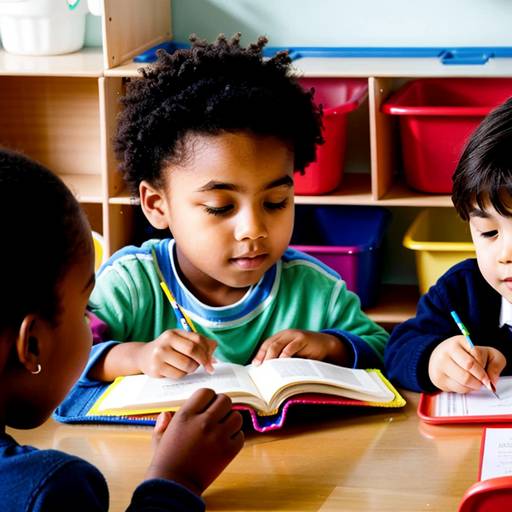
This preschool curriculum focuses on holistic early childhood development by encompassing key areas such as literacy, mathematics, scientific inquiry, social studies, creative arts, and physical health. It aims to foster essential skills through a play-based learning approach that engages children in interactive storytelling, hands-on math activities, experiential science exploration, and artistic expression. The curriculum promotes social awareness and community engagement while nurturing emotional intelligence and physical development. Additionally, it emphasizes family involvement and provides educators with resources and lesson plans to create a supportive and enriching learning environment tailored to the diverse needs of young learners.