
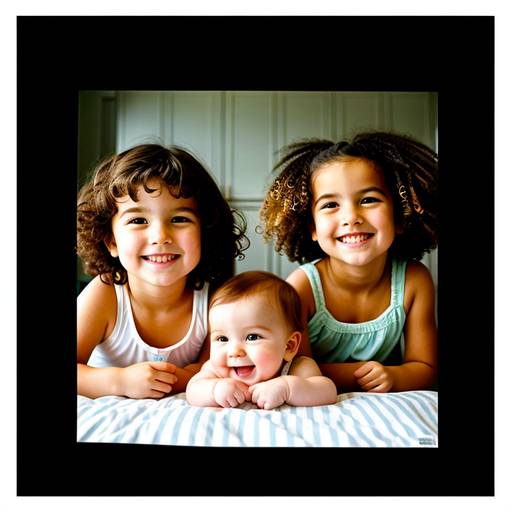
The curriculum is designed for infants aged 6 months to 1 year, focusing on holistic development across several key areas: physical, cognitive, language, social, emotional, and creative growth. It provides educators with a framework of structured yet flexible activities that promote essential skills, such as motor development through sensory play, cognitive exploration using cause and effect toys, language acquisition via read-aloud sessions and songs, and emotional intelligence through interactive games. Additionally, it emphasizes the importance of nurturing secure attachments and encourages collaboration with families to ensure a supportive learning environment. Grounded in early childhood research, the curriculum aligns with best practices for fostering developmental milestones in infants.
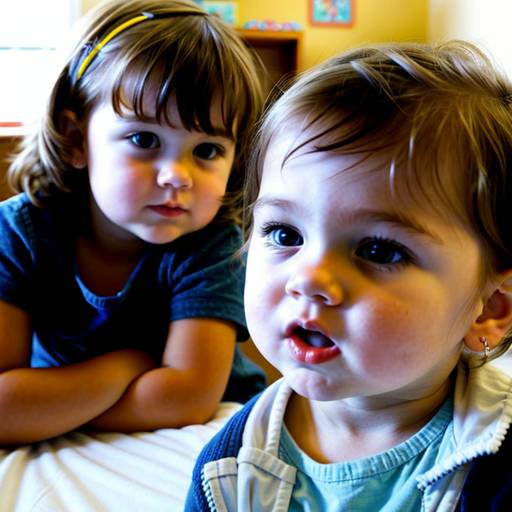
This toddler curriculum focuses on the comprehensive development of children aged 1 to 3 years across several key areas: language, math, physical, social-emotional, and cognitive skills. It incorporates interactive activities such as storytelling, singing, and play to enhance language proficiency and communication. Fundamental math concepts are introduced through playful counting, sorting, and pattern recognition exercises. Physical development is encouraged through active play and fine motor activities, while social-emotional growth is supported by fostering positive interactions and emotional expression. Cognitive skills are nurtured through exploration and problem-solving tasks, promoting curiosity and independent learning. Overall, the curriculum aims to create a balanced and engaging learning environment that supports the holistic development of toddlers.
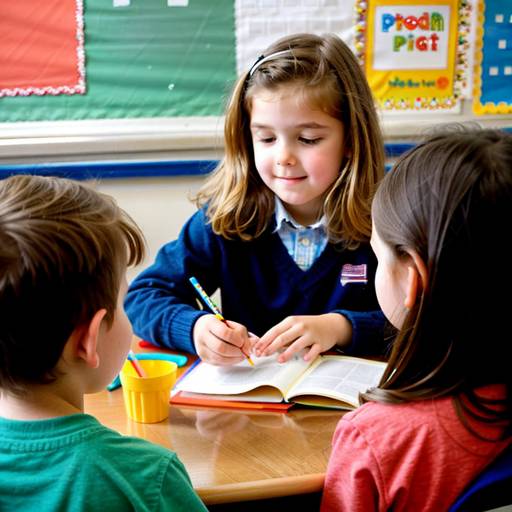
This comprehensive Preschool curriculum focuses on the holistic development of early learners across various domains. It emphasizes foundational skills in language arts, mathematics, science, and social studies, encouraging children to develop early literacy, numeracy, and critical thinking skills through interactive and engaging activities. A focus on fine arts promotes creativity and self-expression, while physical development activities enhance gross and fine motor skills, as well as health and wellness practices. Overall, the curriculum provides a well-rounded educational framework that prepares children for a successful transition to primary education.