
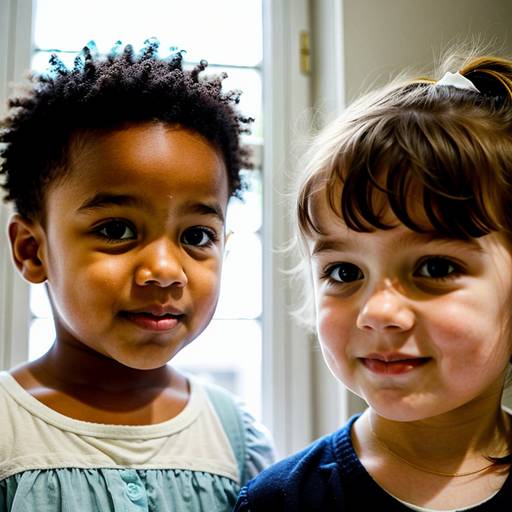
The curriculum for infants aged 6 months to 1 year focuses on essential areas of development, including language, social-emotional skills, physical growth, cognitive abilities, and approaches to learning. It emphasizes fostering communication through vocalizations and interactive storytelling, building social connections through guided group play, and promoting physical coordination through activities like tummy time and object manipulation. Cognitive development is stimulated through sensory exploration and problem-solving activities, while approaches to learning encourage independence and resilience. Overall, the curriculum seeks to create a nurturing and engaging environment that supports the holistic development of infants, laying a solid foundation for their future learning and growth.
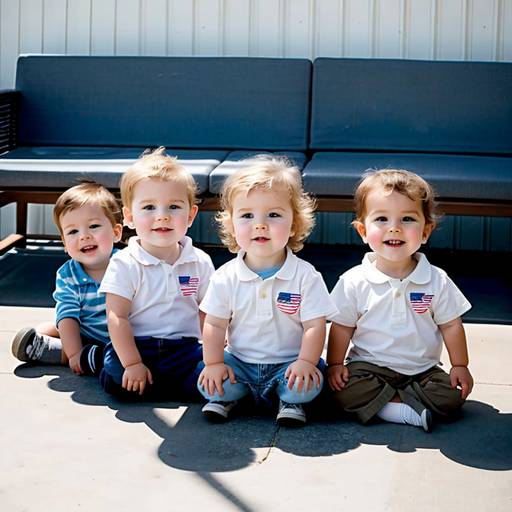
The toddler curriculum is designed for children aged 1 to 3 years, focusing on holistic development across various domains, including language and literacy, mathematics, science, social studies, creative expression, physical development, cognitive skills, and health and wellness. It emphasizes play-based learning, encouraging toddlers to engage in rich conversations, explore their environment, and express themselves creatively. Activities are structured to promote social awareness, emotional intelligence, and cooperation among peers while fostering foundational skills in early mathematics and literacy. The curriculum also prioritizes physical activity, good nutrition, and hygiene, laying the groundwork for healthy habits and a well-rounded educational experience that nurtures curiosity and independence in young learners.
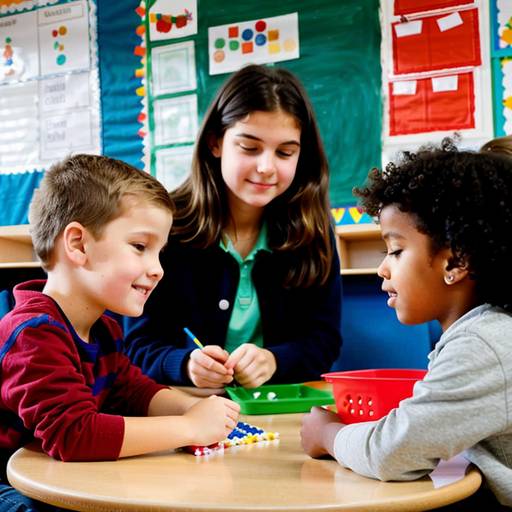
The preschool curriculum is designed to support the holistic development of young children by focusing on key areas such as English language arts, mathematics, science, social studies, fine arts, and physical health. It emphasizes early literacy through phonological awareness and vocabulary development, while introducing foundational math concepts through hands-on activities that build number sense and geometric understanding. Science exploration encourages curiosity and observation of the natural world, while social studies promotes awareness of self, family, and community. The curriculum also fosters creativity through visual arts, music, and movement, and emphasizes physical development by enhancing both gross and fine motor skills. Together, these elements create a comprehensive educational framework that supports children’s growth and readiness for future learning.