
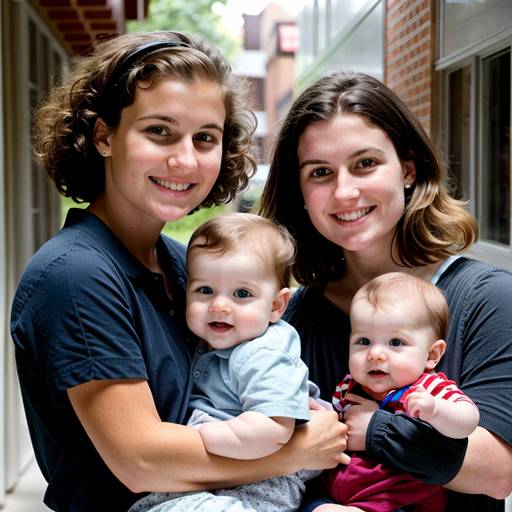
This infant curriculum is designed for children aged 6 months to 1 year, focusing on five key developmental areas: physical, cognitive, language, social-emotional, and creative growth. It includes a variety of engaging activities that promote motor skills through active exploration, enhance cognitive development with sensory experiences and problem-solving tasks, and support language growth with interactive reading, singing, and conversation. Social-emotional development is prioritized by fostering secure attachments and positive interactions, while creative expression is encouraged through hands-on art and music activities. The curriculum is adaptable to meet the individual needs of infants, providing a comprehensive approach to their holistic development.
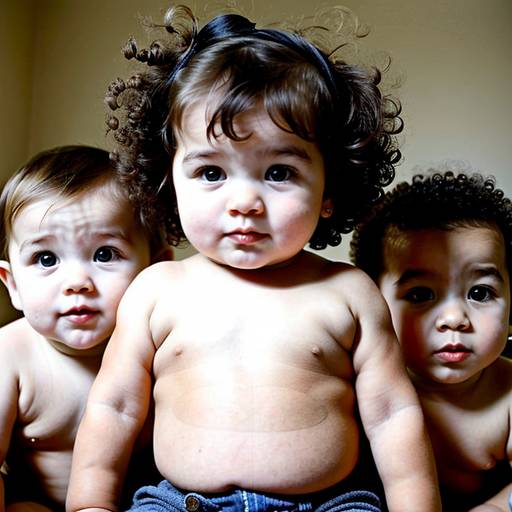
The curriculum for toddlers aged 1-3 years is designed to support holistic development across key areas including language, physical, social, emotional, cognitive, and approaches to learning. It emphasizes language development through engaging storytelling, rhymes, and interactive discussions to enhance communication skills. Physical development is nurtured through active play, outdoor activities, and sensory experiences that promote both gross and fine motor skills. Social and emotional growth is facilitated by opportunities for collaborative play, helping children learn to share, take turns, and express their feelings. Cognitive development is encouraged via hands-on activities that foster critical thinking and problem-solving skills, while imaginative play materials stimulate creativity and curiosity. Overall, the curriculum offers a well-rounded approach to early childhood education, preparing children for future learning experiences.
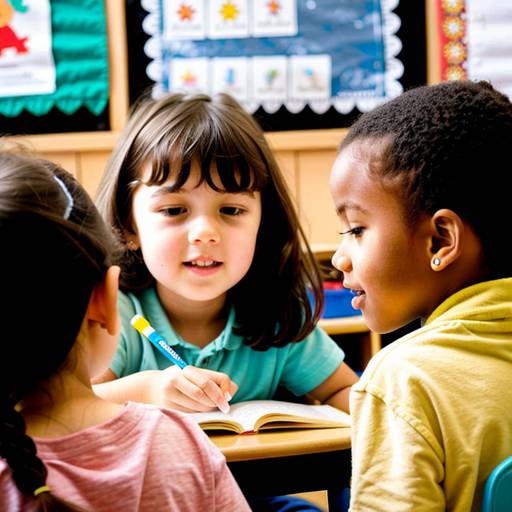
The preschool curriculum is designed to support the holistic development of young children through engaging activities across key learning areas. It emphasizes language and literacy development, introducing children to letter recognition, rhyme, storytelling, and expressive communication. Mathematical foundations are built through counting, shape recognition, and basic arithmetic concepts using hands-on materials. The curriculum encourages artistic exploration through various creative mediums, promoting self-expression and confidence. Science activities focus on observation and inquiry, allowing children to explore their environment and understand living things. Additionally, it fosters social-emotional skills, teaching children to express emotions, appreciate diversity, and collaborate with peers through structured routines and group activities. Overall, the curriculum aims to provide a well-rounded educational experience for preschool-aged children.