
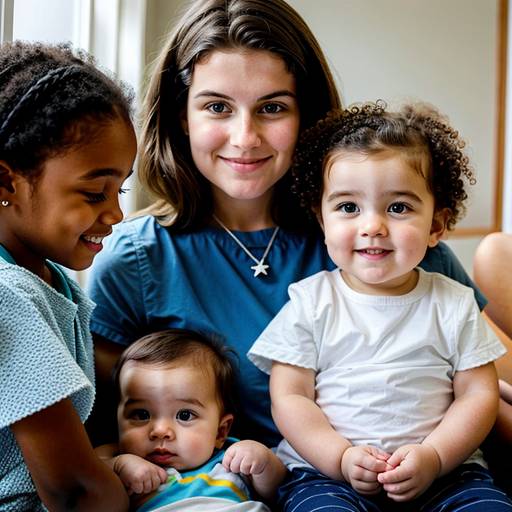
The curriculum for infants aged 6 months to 1 year emphasizes holistic development across several key domains: Language and Literacy, Mathematics, Science and Technology, Social and Emotional Development, Physical Development and Health, and Creative Arts. It aims to foster early communication skills through interactive reading and storytelling, introduce foundational mathematical concepts via hands-on exploration, and encourage curiosity about the world through sensory activities. Additionally, it prioritizes social interaction and emotional awareness to build secure attachments, supports physical development through gross and fine motor activities, and promotes creative expression through music, art, and movement. Overall, the curriculum is designed to provide a well-rounded and developmentally appropriate learning experience for infants.
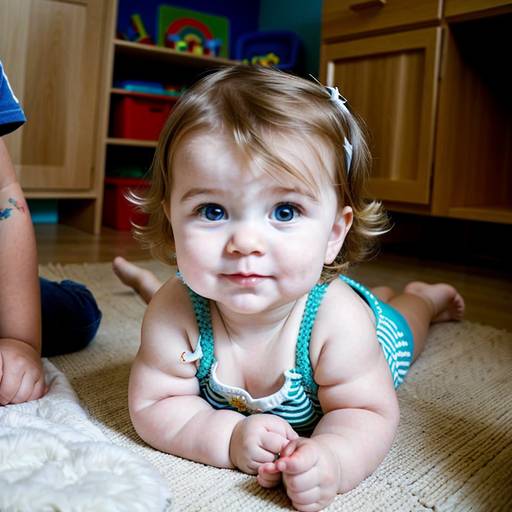
The curriculum for toddlers, designed for children aged 1 to 3, emphasizes integral areas of development through a play-based learning approach. It incorporates activities that promote language and literacy skills, mathematical concepts, scientific inquiry, social and emotional growth, physical development, and creative expression. By focusing on exploration and hands-on experiences, the curriculum encourages toddlers to engage with their environment, develop critical thinking skills, and foster independence, all while nurturing their curiosity and love for learning.
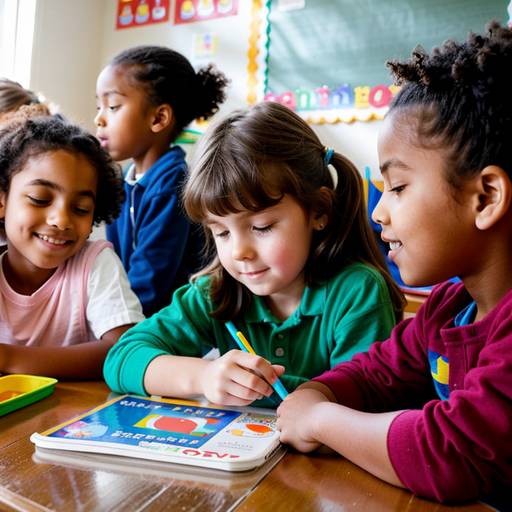
The preschool curriculum is designed to provide a comprehensive and engaging learning experience for young children across multiple developmental domains. It focuses on literacy skills, helping children recognize letters, understand print concepts, and appreciate storytelling. In mathematics, children learn to count, recognize shapes, and grasp basic addition and subtraction through hands-on activities. The science component encourages exploration of the natural world, fostering curiosity about weather, living and non-living things, and basic cause-and-effect relationships. Social studies education emphasizes an understanding of families, communities, and diverse cultures, promoting empathy and social skills. Creative expression is encouraged through various art mediums, allowing children to express emotions and ideas visually. Additionally, physical education activities enhance gross motor skills, promote teamwork, and introduce concepts of health and wellness. This holistic approach supports the overall development of young learners, preparing them for future educational experiences.