
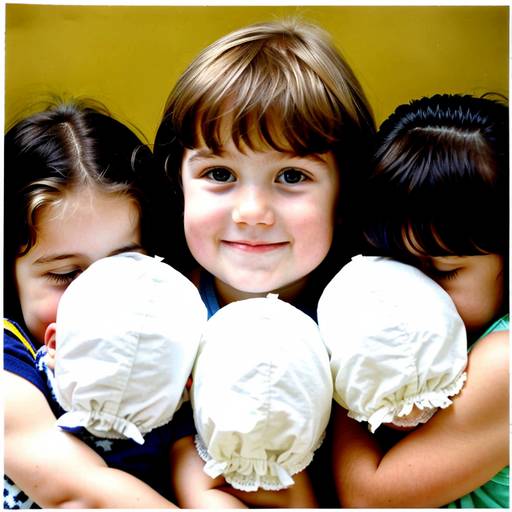
This curriculum is designed for infants aged 6 to 12 months and focuses on promoting holistic development across various domains. It emphasizes language and literacy through interactive activities like singing and reading, while introducing basic mathematical concepts through play with shapes and counting. Social studies components encourage emotional recognition and parallel play to foster social skills. Science exploration is facilitated through sensory activities and basic understanding of the environment. Physical development is supported with exercises that enhance gross and fine motor skills, and health routines provide structure. Additionally, creative arts activities, including sensory play and music, promote self-expression and creativity, creating a well-rounded approach to early learning during this critical developmental stage.
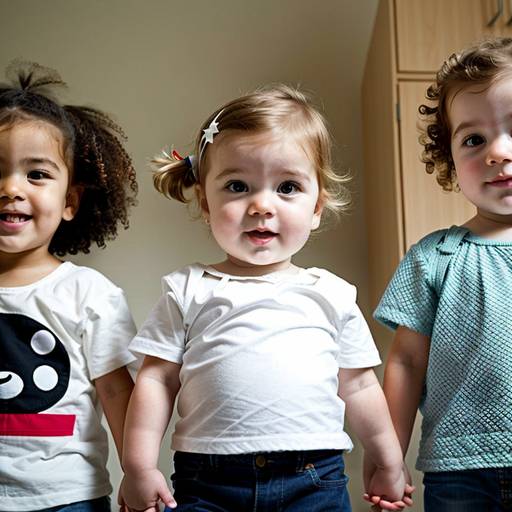
The curriculum designed for toddlers aged 1 to 3 focuses on holistic development through various interconnected domains, fostering language and literacy, mathematics, science, social studies, creative arts, physical development, and health education. It emphasizes interactive and hands-on activities to enhance communication skills, introduce foundational math concepts, promote curiosity about the natural world, and cultivate social-emotional skills through interactions with peers. Creative expression is encouraged through various art forms, while physical activities support gross and fine motor skills. Additionally, health education instills awareness of healthy habits and self-care practices. Overall, the curriculum aims to create an engaging and nurturing environment that supports the unique developmental needs of young children.
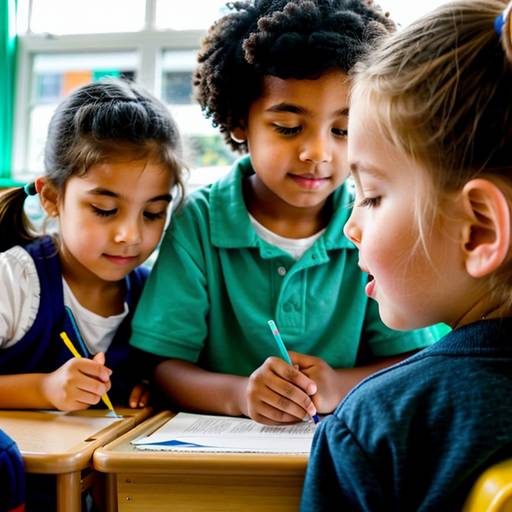
This comprehensive preschool curriculum is designed to support early childhood development across multiple domains, including language and literacy, mathematics, science, social studies, physical development, the arts, and social-emotional growth. It focuses on nurturing foundational skills such as print awareness, phonological awareness, number sense, and scientific inquiry through engaging, hands-on activities and interactive play. Emphasizing community understanding and cultural awareness, the curriculum also promotes physical well-being through gross and fine motor skill development, as well as health education. Additionally, it encourages creativity in the arts and fosters social-emotional competencies, helping young learners build self-awareness, empathy, and responsible decision-making skills essential for their future learning experiences.