

This comprehensive curriculum for infants aged 6 months to 1 year focuses on fostering development across multiple domains, including social-emotional, physical, cognitive, communication, literacy, mathematics, science, creative arts, and health and wellness. It emphasizes the importance of secure attachments with caregivers, encouraging infants to express emotions and interact socially. Physical development is supported through various movement activities, while cognitive skills are nurtured with sensory exploration and problem-solving play. Language development is enhanced through engaging interactions and storytelling, promoting early literacy skills. Mathematical concepts are introduced through play, and the curriculum encourages discovery and creativity through hands-on activities. Additionally, it instills healthy habits and self-help skills, fostering independence from an early age, all aimed at supporting optimal growth and developmental milestones for infants.
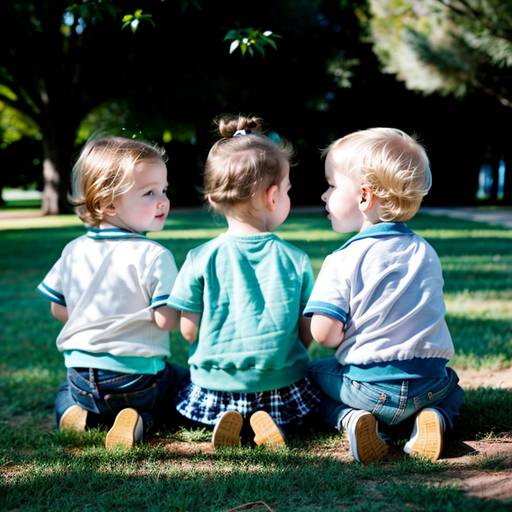
The curriculum is designed for toddlers aged 1 to 3 years and focuses on fostering holistic development through several key areas. It emphasizes language development through storytelling and interactive games, encourages cognitive skills with sorting and matching activities, and promotes physical growth with various motor skill exercises. Social and emotional learning is integrated, helping children develop empathy and communication skills through group interactions. The curriculum also incorporates creative arts, offering opportunities for expression through drawing and music, alongside explorations of science and nature to enhance curiosity and environmental awareness. By addressing these diverse developmental domains, the curriculum aims to create a well-rounded educational experience for young learners.
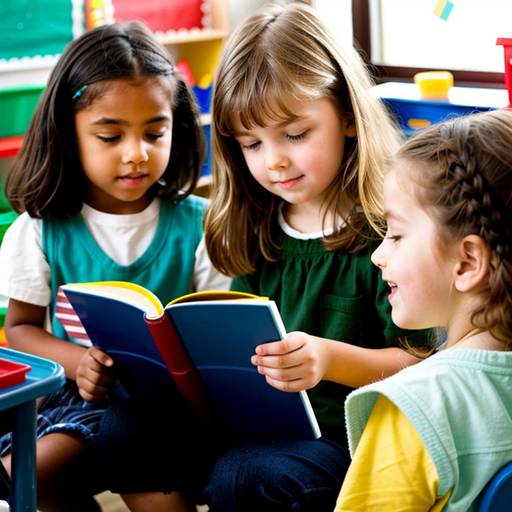
This preschool curriculum is designed to support the holistic development of young children, encompassing key areas such as language and literacy, mathematics, science, social studies, creative arts, and physical development. It focuses on foundational literacy skills by encouraging letter recognition, phonemic awareness, and early communication through storytelling. In mathematics, children are guided to understand numbers, basic operations, and patterns. The science component promotes exploration of the natural world, fostering observation skills and an understanding of simple cause-and-effect relationships. Social studies engage children with concepts of community, diversity, and cultural awareness. Creative arts activities allow for self-expression through various mediums, while the physical development section emphasizes the enhancement of both gross and fine motor skills, along with promoting healthy habits and personal responsibility. Overall, the curriculum provides a well-rounded educational experience that lays the groundwork for lifelong learning.