
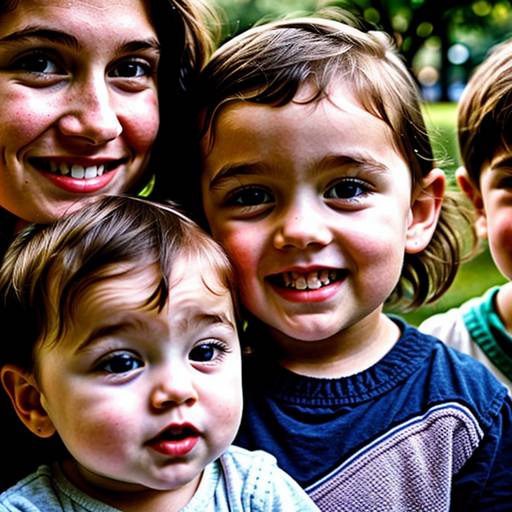
The curriculum for infants aged 6 months to 1 year focuses on supporting holistic development across multiple domains, including language, cognitive, physical, social, emotional, and creative growth. It emphasizes engaging activities such as conversations, read-alouds, sensory exploration, and messy play that encourage language acquisition, problem-solving, and motor skills. Additionally, the program aims to foster emotional security and social interaction through nurturing caregiver-infant relationships and peer play. Creative expression is also a crucial component, with opportunities for artistic exploration and movement that stimulate imagination and coordination. Overall, this curriculum provides a structured yet flexible framework for caregivers to facilitate enriching experiences that promote the foundational skills essential for infants' lifelong learning and development.
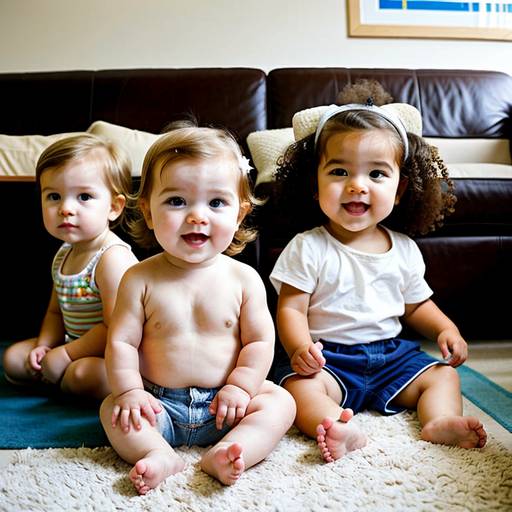
The curriculum for toddlers aged 1 to 3 years emphasizes holistic development through various engaging activities aimed at fostering language and literacy, mathematical understanding, scientific inquiry, social and emotional growth, physical abilities, and creative expression. It promotes language skills through storytelling and interactive games, while basic math concepts are introduced through play. Exploration of the natural world encourages curiosity and foundational scientific understanding, alongside activities that help children identify and express their emotions. Physical development is supported through active play and fine motor activities, while art, music, and dramatic play offer opportunities for creativity and self-expression. Overall, the curriculum aims to create a nurturing environment that encourages exploration, social interaction, and the development of essential skills.
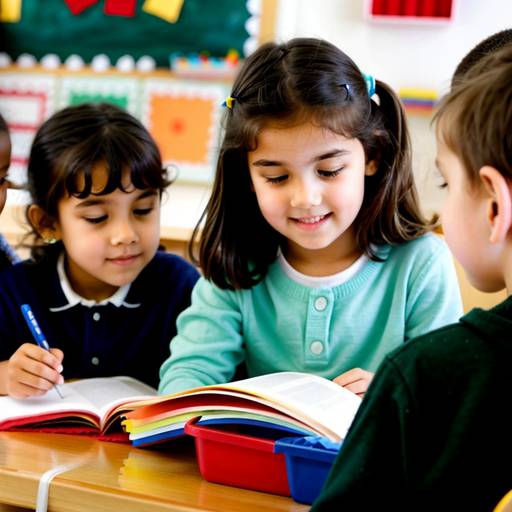
The preschool curriculum is designed to support holistic development in early childhood education, aligning with key early learning standards. It encompasses various domains, including language arts, mathematics, science, social studies, physical development, and creative arts. Children will engage in activities that enhance their literacy and communication skills, foster mathematical reasoning, spark curiosity about the natural world, and encourage an understanding of community and citizenship. The curriculum also emphasizes the importance of physical health and wellness, providing opportunities for children to develop gross and fine motor skills while promoting healthy habits. Additionally, the creative arts component allows for self-expression and imagination, supporting emotional and social development through artistic activities. Overall, the curriculum aims to create a well-rounded educational experience that prepares children for future learning and personal growth.