

The infant curriculum is designed to support the developmental needs of children aged 6 months to 1 year across various domains, including language, cognitive, physical, social, and emotional growth. It emphasizes interactive storytelling and sensory exploration to foster language and literacy skills, introduces foundational math concepts through playful activities, and encourages scientific inquiry through hands-on experiences with the environment. Social studies components promote social-emotional development and cultural awareness, while physical activities enhance gross and fine motor skills. Creative arts are incorporated to inspire creativity and imaginative expression. Overall, the curriculum provides a holistic approach that nurtures curiosity and a love for learning in infants, ensuring they have a strong foundation for future development.

This comprehensive toddler curriculum is designed for children aged 1 to 3 years, focusing on key developmental areas such as language and literacy, mathematics, science, social studies, creative arts, and physical development. It emphasizes play-based learning, encouraging toddlers to explore language through interactive storytelling, games, and conversations while building early literacy skills. Math concepts are introduced through hands-on activities that promote counting, shape recognition, and sorting. The science component fosters curiosity about the natural world and encourages experimentation. Social studies activities help develop emotional intelligence, empathy, and a sense of community. Creative expression is supported through visual arts, music, and dramatic play, while physical development activities enhance gross and fine motor skills. Overall, the curriculum provides a holistic approach to early learning, catering to the diverse interests and developmental needs of young children.
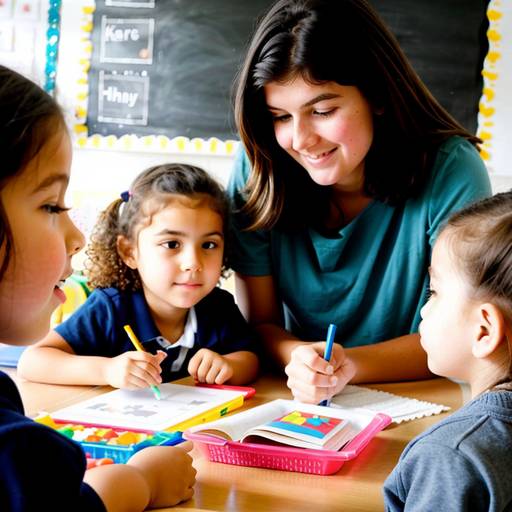
The preschool curriculum is designed to support the holistic development of young learners across various domains, including language and literacy, mathematics, science, social studies, fine arts, physical education, social-emotional learning, and technology. It emphasizes fundamental skills such as reading, counting, and basic scientific inquiry while fostering creativity through artistic expression and physical activity. The curriculum encourages social awareness and emotional intelligence by focusing on empathy, collaboration, and conflict resolution. Additionally, it incorporates the responsible use of technology to prepare children for a digital future, promoting a comprehensive learning experience that nurtures curiosity, critical thinking, and a love of learning in early childhood.