
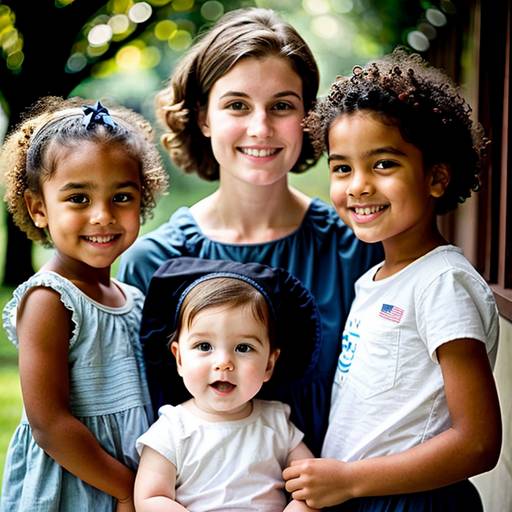
The curriculum for infants aged 6 months to 1 year focuses on holistic development across key areas: language, physical, cognitive, social-emotional, and approaches to learning. It emphasizes fostering early communication skills through interactive conversations and sensory experiences, while promoting gross and fine motor skills via safe play and exploration activities. Cognitive development is supported through engaging toys and games that stimulate curiosity and problem-solving. Additionally, the curriculum prioritizes social and emotional growth by creating a nurturing environment that encourages healthy interactions and empathetic behavior. Overall, it highlights the importance of play-based learning as a fundamental method to inspire a love for learning during this critical stage of development.
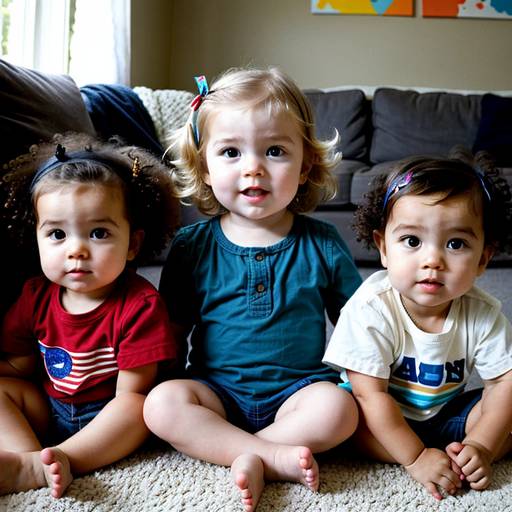
The curriculum for toddlers aged 1 to 3 years focuses on fostering holistic development through engaging activities across several key areas. Language and literacy skills are nurtured through interactive storytelling and reading, while mathematical concepts are explored through hands-on experiences with counting and sorting. Science activities encourage curiosity about the natural world through sensory exploration and simple experiments. Social studies introduce toddlers to their identities and relationships, promoting empathy and cooperation through collaborative play. Creative arts allow for self-expression through various mediums, while physical development activities enhance gross and fine motor skills. Additionally, social and emotional development is emphasized, teaching toddlers self-regulation and the importance of building relationships in a supportive classroom environment.
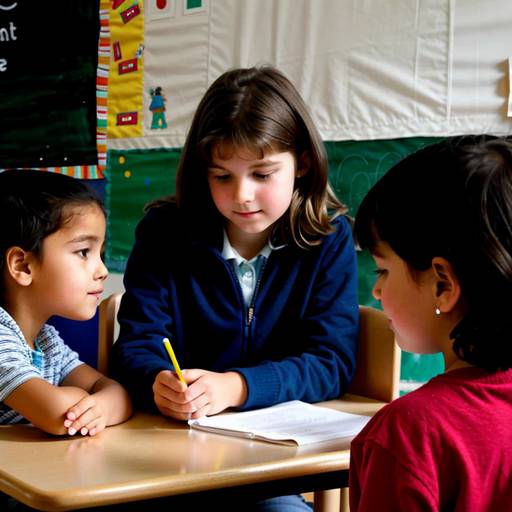
The preschool curriculum is designed to provide a comprehensive educational framework that supports the holistic development of young children. It covers essential areas such as language and literacy, where children enhance their vocabulary and early reading skills; mathematics, focusing on counting, number recognition, and basic geometric concepts; and science, which encourages curiosity through hands-on exploration of weather, animals, and plant life. Social studies introduces children to community roles and diverse cultures, fostering an understanding of identity and belonging. Additionally, the program emphasizes physical health by promoting fine and gross motor skills alongside good hygiene and nutrition practices. Lastly, creative expression is nurtured through opportunities for imaginative play, artistic exploration, and engagement in music and movement activities, all aimed at enhancing self-expression and creativity.