
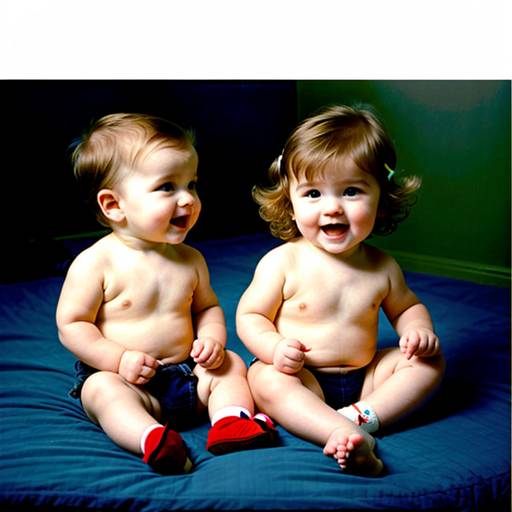
The Infant Curriculum is designed for educators working with infants aged 6 months to 1 year and focuses on promoting holistic development across key domains: language, cognitive, physical, social-emotional, and health. It emphasizes early language exposure through interactive reading and play, while encouraging cognitive skills through hands-on exploration of basic concepts. Physical development is supported through activities that promote motor skills, and social-emotional growth is fostered by creating nurturing environments that facilitate secure attachments and peer interactions. Additionally, the curriculum addresses health and wellness by encouraging healthy eating and hygiene practices, alongside outdoor play that engages infants with their surroundings. Overall, it provides a comprehensive framework for educators to support the developmental needs of infants effectively.
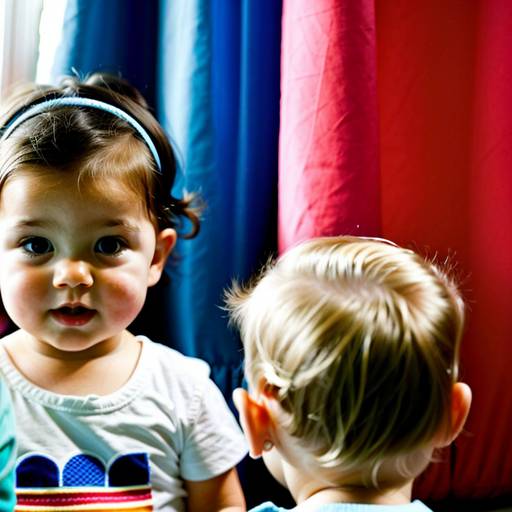
The curriculum for toddlers aged 1 to 3 years encompasses a comprehensive framework designed to promote holistic development across various domains. Language arts activities encourage early communication skills through storytelling and conversation, while mathematical concepts emphasize counting, number recognition, and pattern identification through interactive play. Science exploration fosters curiosity about the natural world through sensory activities and simple experiments, and social studies introduce themes of identity, family, and community awareness. Creative arts are incorporated to allow for self-expression through visual arts and imaginative play, promoting emotional development and social skills. Overall, the curriculum focuses on engaging children in developmentally appropriate activities that support their growth and learning in a nurturing environment.
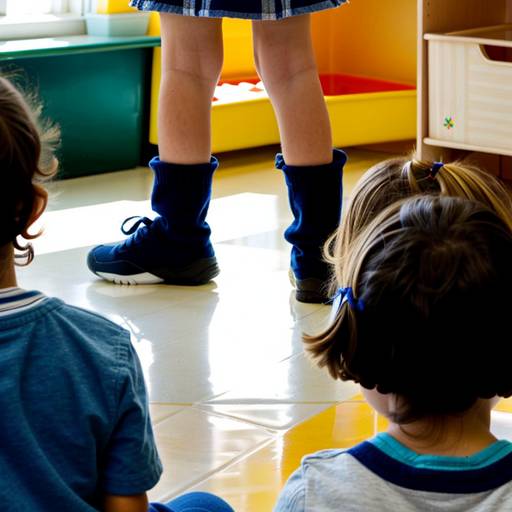
The preschool curriculum is designed to support the holistic development of children aged 3 to 5 years through a variety of engaging and age-appropriate activities. It encompasses key learning domains, including language arts, mathematics, science, social studies, fine arts, physical education, and social-emotional development. Students are introduced to foundational skills such as letter recognition, storytelling, basic math concepts, and scientific exploration, while also learning about community, cultural diversity, and the importance of cooperation and empathy. The curriculum emphasizes creativity through artistic expression and promotes physical health through gross motor activities, ultimately fostering children's cognitive, social, and emotional growth in a stimulating learning environment.