
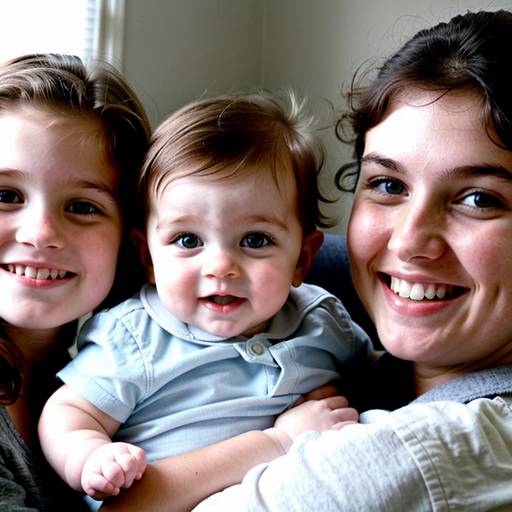
This comprehensive curriculum for infants aged 6 months to 1 year focuses on five key developmental domains: Language and Literacy Development, Cognitive Development, Physical Development, Social and Emotional Development, and Creative Arts. It promotes language acquisition through responsive interactions, storytelling, and music, fostering early communication skills. Cognitive development is supported through engaging play and problem-solving activities that encourage exploration and curiosity. The program emphasizes physical growth by providing opportunities for infants to enhance their gross motor skills in a safe environment. Social and emotional development is cultivated through nurturing caregiver interactions that promote attachment and social skills. Lastly, creative arts activities encourage self-expression and sensory exploration, allowing infants to engage with their environment in meaningful ways. This approach ensures a holistic development experience that supports infants in their early years.
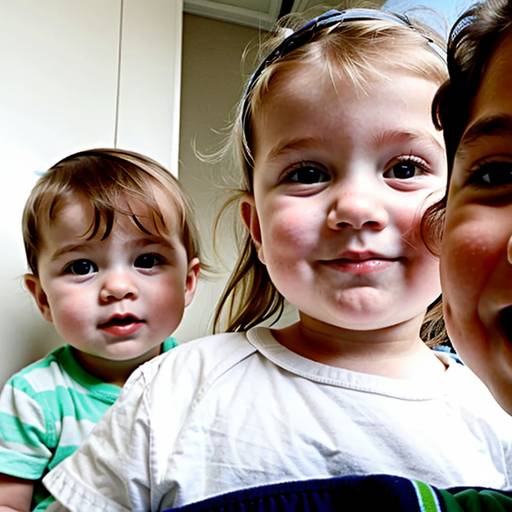
The curriculum for toddlers aged 1 to 3 focuses on fostering comprehensive development in young children through an engaging and play-based approach. It encompasses various domains, including language and literacy, where storytelling and interactive activities facilitate early communication skills. Mathematical concepts are introduced through hands-on experiences involving sorting and counting, while scientific inquiry encourages exploration of the natural world. Social studies components promote awareness of community and cultural diversity, enhancing empathy and cooperation among peers. Creative arts activities stimulate self-expression through various mediums, and physical development is supported through activities designed to improve both gross and fine motor skills. Overall, the curriculum aims to nurture curiosity, creativity, and a love for learning in young children.
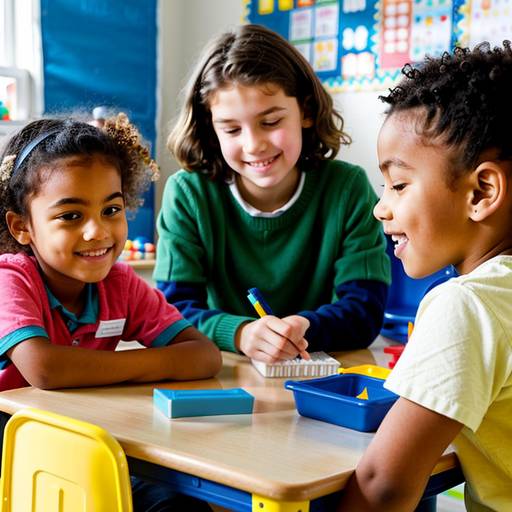
The preschool curriculum is designed to foster holistic development in early childhood, encompassing key areas such as Language Arts, Mathematics, Science, Social Studies, Physical Development, and Creative Arts. It emphasizes language acquisition through storytelling, phonological awareness, and early writing skills. In Mathematics, young learners engage with concepts of counting, sorting, and basic operations, laying a solid foundation for numeracy. The Science component encourages curiosity and inquiry through hands-on experiments and observations of the natural world. Social Studies cultivates an understanding of community, culture, and interpersonal relationships, promoting empathy and respect. Physical Development focuses on enhancing motor skills and encouraging healthy habits, while Creative Arts provides opportunities for self-expression through various artistic mediums. This comprehensive approach ensures that children develop essential skills and a love for learning in a supportive environment.