
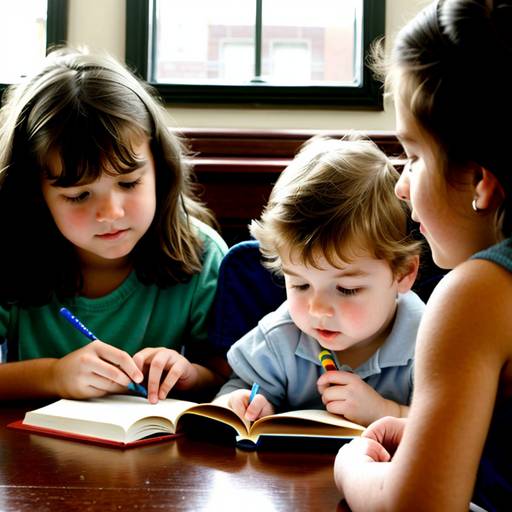
The Infant Curriculum is designed for educators teaching infants aged 6 months to 1 year, focusing on holistic development across various domains. It includes strategies for fostering language and literacy through storytelling, songs, and interactive conversations. The curriculum promotes physical development through activities that enhance gross and fine motor skills, such as tummy time and safe exploration. Cognitive growth is supported through hands-on play that encourages curiosity, while social and emotional development is prioritized through nurturing interactions and the introduction of self-soothing techniques. It incorporates creative arts experiences, emphasizes health and well-being, introduces basic social studies concepts, and lays the foundation for early mathematical skills through engaging activities. Overall, it aims to create a rich learning environment that supports each infant's growth and development.
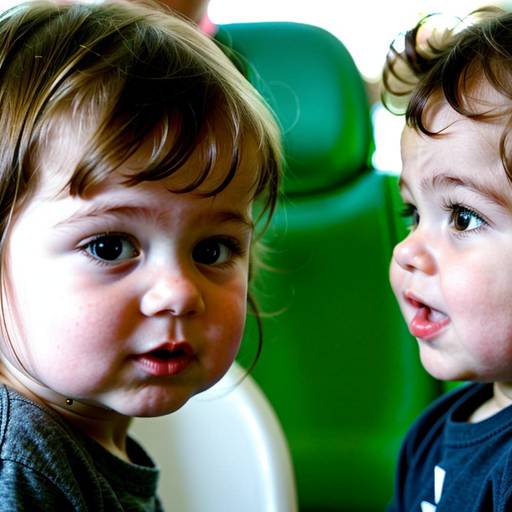
The curriculum for toddlers aged 1 to 3 years focuses on fostering holistic development through a range of engaging activities that promote language and literacy skills, mathematical understanding, scientific exploration, and social-emotional growth. It emphasizes the importance of interactive storytelling, hands-on experiences, and everyday learning scenarios to build foundational skills in communication and critical thinking. Through structured yet playful interactions, children explore their environment, develop problem-solving abilities, and learn to express their feelings and build relationships, all within a nurturing and supportive atmosphere that encourages curiosity and creativity.
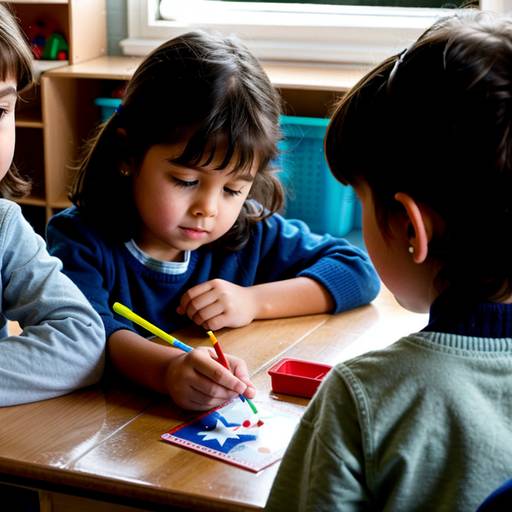
The preschool curriculum is designed to support the holistic development of young children across key developmental areas, including literacy, math, science, social-emotional skills, physical development, and creative expression. It emphasizes engaging activities that foster cognitive growth and curiosity, allowing children to explore their environment through hands-on experiences. Literacy components focus on early reading skills and vocabulary building, while math activities introduce foundational concepts through interactive play. Science exploration encourages inquiry and discovery of the natural world. Social-emotional development is nurtured through cooperative games and routines that promote empathy and friendship skills. Additionally, opportunities for physical activity and creative expression through art and music are woven into the curriculum, ensuring a well-rounded educational experience that prepares children for future learning.